
I get it. Converting 4 kilometers into minutes can be a head-scratcher. You might be planning a run or just curious.
Either way, I’m here to break it down for you. Let’s dive in and make this simple.
First things first, 4km how many minutes depends on your speed. If you’re walking, running, or driving, the time will vary. But don’t worry, I’ll show you how to figure it out.
You might be thinking, “Why should I trust this?” Well, I’ve been there too, and I know how confusing it can be. So, let’s get to it.
Understanding Kilometers and Minutes
A kilometer is a unit of length equal to 1,000 meters or about 0.62 miles. Simple enough, right?
A minute, on the other hand, is a unit of time equal to 60 seconds. We all know that one.
The Relationship:
How distance (in kilometers) and time (in minutes) are related, especially in the context of travel, can be a bit tricky. It’s not just about numbers; it’s about real-world application.
Think about it. When you’re driving, you might wonder, How long will it take to cover 4km? Well, that depends on your speed.
If you’re moving at 60 km/h, it’ll take you 4 minutes. But if you’re stuck in traffic, it could take much longer.
I find it useful to keep these conversions in mind. They help me plan my day better, whether I’m heading to work or meeting up with friends. Knowing how far and how long something takes can make a big difference.
So, next time you’re out and about, remember: 4km how many minutes isn’t a fixed number. It’s all about the speed and conditions.
Factors Affecting the Conversion
Speed: The speed at which you are traveling (e.g., walking, running, driving) is a key factor.
Think about it: if you’re walking, 4km might take around 40-60 minutes, but if you’re driving, it’s just a few minutes.
Terrain: Different terrains (flat, hilly, urban, rural) can affect the time it takes to cover 4 kilometers.
For example, a flat, smooth path will be quicker than a hilly, rocky trail.
Fitness Level: For activities like running and walking, your fitness level can impact the time taken.
A well-conditioned runner might complete 4km in under 20 minutes, while someone less fit could take over 30 minutes.
Understanding these factors helps you better estimate 4km how many minutes it will take for your specific situation.
How to Convert 4 Kilometers to Minutes
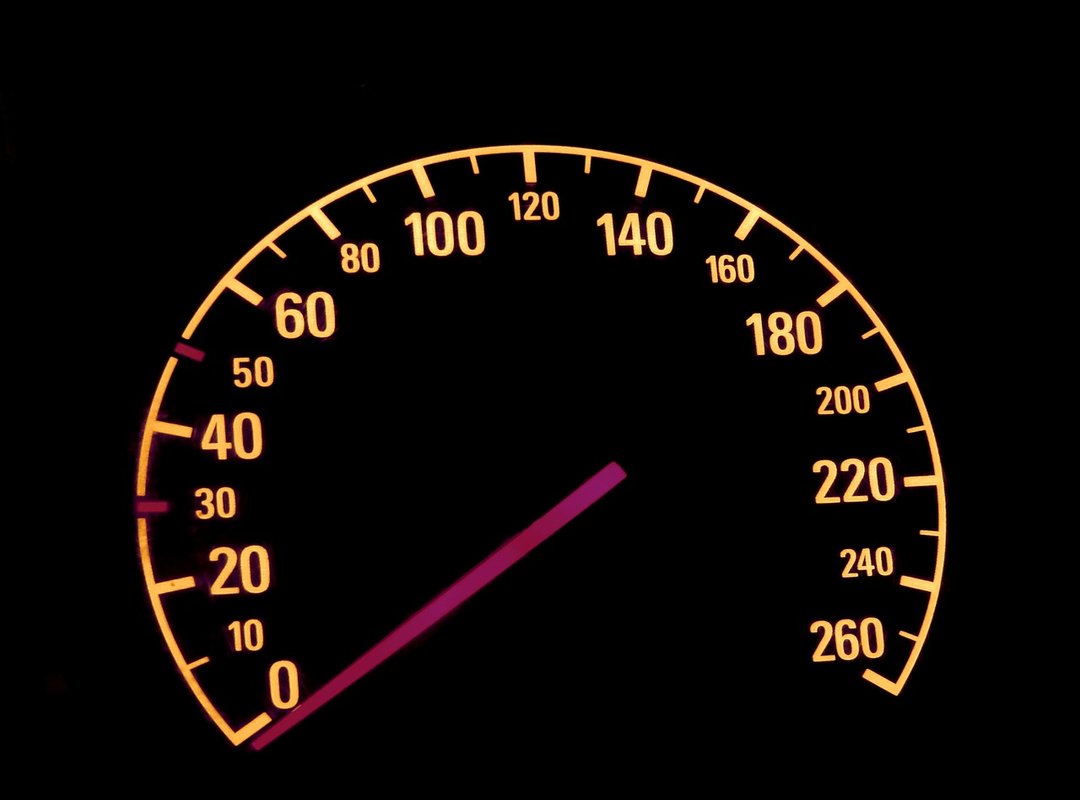
Converting 4 kilometers to minutes is a straightforward process. First, you need to know your speed.
Determine Your Speed: Identify the speed at which you will be traveling. For example, 5 km/h for walking or 10 km/h for running.
Calculate Time: Use the formula: Time (in hours) = Distance (in kilometers) / Speed (in km/h). 4km how many
Convert Hours to Minutes: Multiply the time in hours by 60 to get the time in minutes.
Let’s break it down with an example. If you are walking at 5 km/h, 4 kilometers will take 4/5 = 0.8 hours.
That’s 0.8 * 60 = 48 minutes.
So, 4km how many minutes? It’s 48 minutes if you’re walking at 5 km/h.
This method works for any speed and distance. Just plug in your numbers and do the math.
Common Scenarios and Examples
Let’s break it down with some real-world scenarios.
Walking: At an average pace of 5 km/h, 4 kilometers will take about 48 minutes.
Running: At a moderate pace of 10 km/h, 4 kilometers will take about 24 minutes.
Driving: At a speed of 60 km/h, 4 kilometers will take about 4 minutes.
Understanding these times can help you plan your day better. Whether you’re deciding to walk, run, or drive, knowing 4km how many minutes can save you from being late or stressed.
So, next time you need to estimate travel time, you’ll have a good idea of what to expect.
Frequently Asked Questions (FAQs)
Q: How long does it take to walk 4 kilometers?
A: It typically takes about 48 minutes at an average pace of 5 km/h.
Q: How long does it take to run 4 kilometers?
A: It typically takes about 24 minutes at a moderate pace of 10 km/h.
Q: How long does it take to drive 4 kilometers?
A: It typically takes about 4 minutes at a speed of 60 km/h.
Here’s a quick breakdown:
- Walking: 48 minutes
- Running: 24 minutes
- Driving: 4 minutes
If you’re wondering, 4km how many minutes depends on your mode of transportation.
Most people focus on the time, but let’s not forget the experience. Walking can be a great way to enjoy the scenery and get some exercise. Running is perfect for those who want a quick workout.
And driving, well, it’s all about convenience.
Mastering the Conversion
Converting 4 kilometers to minutes involves understanding your speed, using a simple formula, and converting the result to minutes. 4km how many minutes depends on your pace. For instance, if you’re walking at a speed of 5 km/h, it would take 48 minutes. If you’re running at 10 km/h, it would only take 24 minutes.
By following these steps, you can easily estimate the time it takes to cover 4 kilometers in various scenarios. Whether you’re planning a walk, a run, or a drive, this knowledge will help you better manage your time and activities.

 Rutherick Friedmander writes the kind of game reviews and ratings content that people actually send to each other. Not because it's flashy or controversial, but because it's the sort of thing where you read it and immediately think of three people who need to see it. Rutherick has a talent for identifying the questions that a lot of people have but haven't quite figured out how to articulate yet — and then answering them properly.
They covers a lot of ground: Game Reviews and Ratings, Player Strategy Guides, Console Gaming News, and plenty of adjacent territory that doesn't always get treated with the same seriousness. The consistency across all of it is a certain kind of respect for the reader. Rutherick doesn't assume people are stupid, and they doesn't assume they know everything either. They writes for someone who is genuinely trying to figure something out — because that's usually who's actually reading. That assumption shapes everything from how they structures an explanation to how much background they includes before getting to the point.
Beyond the practical stuff, there's something in Rutherick's writing that reflects a real investment in the subject — not performed enthusiasm, but the kind of sustained interest that produces insight over time. They has been paying attention to game reviews and ratings long enough that they notices things a more casual observer would miss. That depth shows up in the work in ways that are hard to fake.
Rutherick Friedmander writes the kind of game reviews and ratings content that people actually send to each other. Not because it's flashy or controversial, but because it's the sort of thing where you read it and immediately think of three people who need to see it. Rutherick has a talent for identifying the questions that a lot of people have but haven't quite figured out how to articulate yet — and then answering them properly.
They covers a lot of ground: Game Reviews and Ratings, Player Strategy Guides, Console Gaming News, and plenty of adjacent territory that doesn't always get treated with the same seriousness. The consistency across all of it is a certain kind of respect for the reader. Rutherick doesn't assume people are stupid, and they doesn't assume they know everything either. They writes for someone who is genuinely trying to figure something out — because that's usually who's actually reading. That assumption shapes everything from how they structures an explanation to how much background they includes before getting to the point.
Beyond the practical stuff, there's something in Rutherick's writing that reflects a real investment in the subject — not performed enthusiasm, but the kind of sustained interest that produces insight over time. They has been paying attention to game reviews and ratings long enough that they notices things a more casual observer would miss. That depth shows up in the work in ways that are hard to fake.