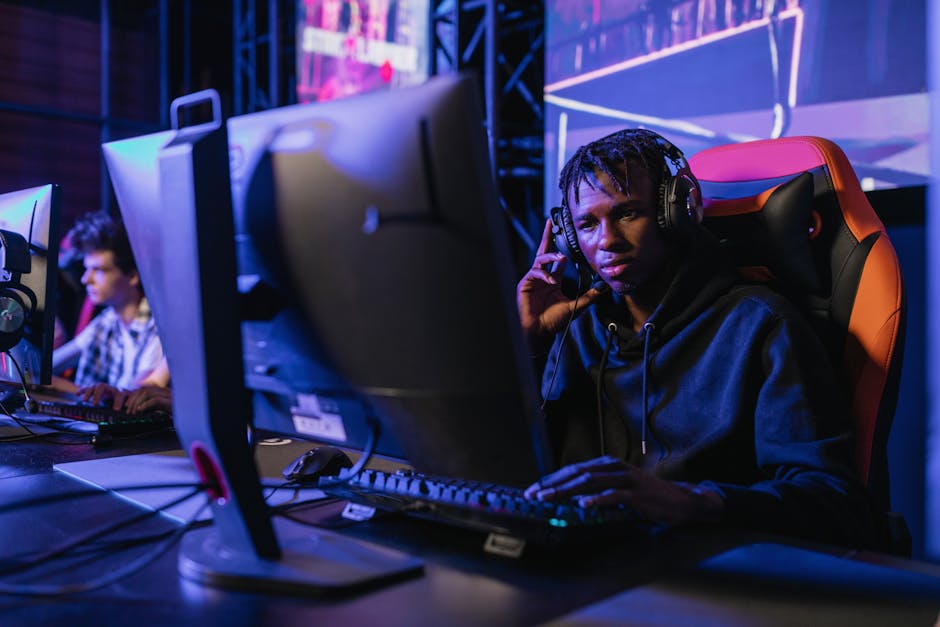

Console Esports: Not Just PC’s Little Brother Anymore
For years, competitive gaming meant high spec PCs, RGB everything, and a mouse and keyboard throne. But in 2024, consoles aren’t just tagging along they’re building their own lane. Xbox and PlayStation have thrown serious weight behind competitive gaming, launching exclusive tournaments, partnering with esports orgs, and fine tuning their networks for pro level play.
Cross platform functionality is doing more than just letting friends squad up across systems. It’s leveling the field. A growing number of tournaments are dropping platform restrictions entirely, evaluating raw skill across inputs. That shift is forcing old school hierarchies to adapt and it’s injecting fresh energy into the scene.
Meanwhile, numbers are climbing. Console based competitions are pulling bigger prize pools, luring new sponsors, and drawing viewership that rivals some of the biggest PC showdowns. The message is clear: console is no longer the understudy. It’s center stage, and it’s only getting louder.
Street Fighter 6 has come in swinging. With a full overhaul built for modern esports, Capcom finally nailed the balance between accessibility and high level competition. The built in ranking ladders and rollback netcode mean no friction between wanting to climb and actually being able to. The competitive scene’s embraced it hard, and tournaments are already seeing deeper talent pools.
Call of Duty: Modern Warfare III isn’t reinventing the wheel but that’s exactly the point. It’s dependable, fast paced, and now more customizable than ever. Competitive loadouts are streamlined, and the meta is just flexible enough to reward smart build decisions. In the console space, that makes a difference. It’s still a go to for teams that want tight formats and clear strategies.
Rocket League keeps defying gravity literally and figuratively. Its physics driven play and easy to learn but hard to master style still hit. What’s changed are the under the hood optimization updates, especially for consoles. Smoother frame rates across platforms and a growing collegiate league scene are keeping the rocket powered cars on the radar.
Halo Infinite took longer than fans wanted to find its footing, but in 2024 it finally feels tuned in. 343 Industries has iterated steadily, and the competitive tools are starting to pay off. Pro circuits have picked up steam, and the core gameplay has carved out a real space again in console esports. Slow burn, maybe but it’s burning now.
Rising Newcomers to Keep an Eye On
MultiVersus is back and looking leaner after its recent relaunch. Warner Bros. clearly listened netcode’s tighter, character balance is cleaner, and presentation is sharper. The brawler has always had esports potential, but now it feels like a title ready to step into actual competition. With official ladders, structured team play, and casual fan favorite characters, it’s starting to chew the same turf as Smash, especially for console based tournaments.
Then there’s Foamstars, which is already drawing attention in early event circuits. It’s not just a Splatoon clone Square Enix leaned into tactics and team coordination, giving it real teeth. It’s got the polish and pop you’d expect from a studio with Final Fantasy pedigree, but the 4v4 mode structure makes it well suited for shoutcasts, streams, and long form play.
Lastly, The Finals is grabbing the controller crowd and not letting go. It’s a chaos saturated, destructible environment squad shooter that’s moving fast through the competitive ranks. What’s making waves isn’t just visual flair it’s the responsiveness. For pad players, it feels made for consoles rather than ported, and that’s going a long way in community leagues and crossplay qualifiers.
These three aren’t just new they’ve got legs. As formats shift and console tournaments grow, expect to see at least one of them locking in main stage slots by year’s end.
How Cross Gen & Crossplay Are Changing the Game
Console esports isn’t locked in a silo anymore. Most major tournaments now support crossplay, sweeping away the old barriers between platforms. If you’ve got a PlayStation, an Xbox, or a PC rigged monster setup, chances are you’re playing in the same bracket. That shift alone has expanded the pool of players and injected more variability and excitement into the competitive landscape.
The tech is catching up too. Improved input balancing means controller players aren’t automatically outclassed by keyboard warriors. Games are fine tuning aim assist, latency offsets, and controller mapping in real time. Input no longer dictates dominance skill and strategy are finally leading the conversation.
Then there are the teams. Smart rosters are now mixing input styles, combining players who bring different speeds, reaction workflows, and perspectives. It’s like deploying a squad with both snipers and heavy gunners you don’t just get balance, you get synergy.
Crossplay has made console esports a real threat not just a parallel scene, but part of the main event.
Esports Infrastructure Catching Up

Console esports is stepping out of the shadow of its PC counterpart not just with game titles, but with the behind the scenes systems needed to support thriving competitive scenes.
Built In Spectator Tools & Native Streaming
Gone are the days when console players relied solely on external capture cards to stream or record gameplay. Modern consoles like the PlayStation 5 and Xbox Series X now offer:
Native 4K streaming and capture with minimal input lag
In game spectator modes tailored for tournaments
Real time stat overlays and multi perspective viewing in supported titles
These upgrades make both grassroots events and pro matches more watchable and easier to broadcast.
Rise of Console Focused Orgs and Coaching Teams
Competitive ecosystems are expanding beyond just PC. Dedicated console esports organizations are forming and they’re more than just clans:
Professional coaching staff building console specific training regimens
Analysts specializing in controller based movement and game styles
Sponsorships and team branding tailored for console first audiences
Expect to see more console players getting access to the same support network that PC players have enjoyed for years.
Pro Play Modes Designed by Devs
Game developers are playing a pivotal role in making console titles tournament ready from launch:
Custom lobbies with rule sets optimized for esports play
Spectator friendly features like kill cams, play by play replays, and team color customization
Frequent balance patches based on competitive community feedback
Developers understand that supporting the competitive scene isn’t just good for prestige it builds player retention and boosts long term engagement.
Tech That’s Pushing It Forward
Console esports finally has the hardware and software muscle to keep up with the pros. Anyone still thinking that console peripherals are clunky or second tier hasn’t touched a modern elite controller or tried the latest low latency wired headsets. We’re seeing pressure sensitive triggers, remappable buttons, customizable analog tension all standard now in high end models. It’s a leveling of the playing field, not a gimmick.
Behind the scenes, netcode and matchmaking are doing more heavy lifting than ever. Game devs are fine tuning server architecture and reducing latency gaps, especially in 1v1 and team based arenas. It’s the kind of under the hood upgrade most players won’t talk about, but everyone feels. Less lag, tighter hit registration, and smarter match pairings are making serious gameplay possible, and consistent.
Then there’s the software side. One standout: the recent zenvekeypo4 update, which redefines precision input for competitive console titles. Faster response times, better input buffering stuff that used to be PC only is now baked into the console OS.
Bottom line: the ceiling just got a little higher, and serious console players are now working with tools that don’t hold them back.
Final Word
A New Era for Console Esports
Console esports has stepped out of the shadow of its PC counterpart. What was once seen as a secondary platform has now grown into a competitive arena with its own thriving scene, tournaments, and dedicated fanbase.
Console exclusive titles are leading in innovation and community engagement
Big name publishers are investing in console first esports strategies
Viewership is steadily growing alongside prize pools and sponsorships
Accessibility is Driving Growth
One of the major advantages of console esports is lower barriers to entry. With minimal setup requirements and more affordable equipment, more players are able to participate.
No need for high end builds performance parity on consoles levels the playing field
Plug and play simplicity appeals to casual and aspiring pros alike
Local scenes and online ladders make jumping in easier than ever
Gamepads Over Keyboards?
Looking ahead, controller based competition is poised to shape the next wave of top esports titles. As studios tailor their experiences around console gameplay, players can expect:
More tournament ready titles launching with console in mind
Cross platform ecosystems that reward skill over setup
Serious talent emerging directly from gamepad first communities
The bottom line: Console esports isn’t catching up. In many ways, it’s leading and the future looks increasingly ready to be played from the couch just as much as from the command center.

 Norvella Veythanna has opinions about console gaming news. Informed ones, backed by real experience — but opinions nonetheless, and they doesn't try to disguise them as neutral observation. They thinks a lot of what gets written about Console Gaming News, Esports Updates and Tournaments, Upcoming Game Releases is either too cautious to be useful or too confident to be credible, and they's work tends to sit deliberately in the space between those two failure modes.
Reading Norvella's pieces, you get the sense of someone who has thought about this stuff seriously and arrived at actual conclusions — not just collected a range of perspectives and declined to pick one. That can be uncomfortable when they lands on something you disagree with. It's also why the writing is worth engaging with. Norvella isn't interested in telling people what they want to hear. They is interested in telling them what they actually thinks, with enough reasoning behind it that you can push back if you want to. That kind of intellectual honesty is rarer than it should be.
What Norvella is best at is the moment when a familiar topic reveals something unexpected — when the conventional wisdom turns out to be slightly off, or when a small shift in framing changes everything. They finds those moments consistently, which is why they's work tends to generate real discussion rather than just passive agreement.
Norvella Veythanna has opinions about console gaming news. Informed ones, backed by real experience — but opinions nonetheless, and they doesn't try to disguise them as neutral observation. They thinks a lot of what gets written about Console Gaming News, Esports Updates and Tournaments, Upcoming Game Releases is either too cautious to be useful or too confident to be credible, and they's work tends to sit deliberately in the space between those two failure modes.
Reading Norvella's pieces, you get the sense of someone who has thought about this stuff seriously and arrived at actual conclusions — not just collected a range of perspectives and declined to pick one. That can be uncomfortable when they lands on something you disagree with. It's also why the writing is worth engaging with. Norvella isn't interested in telling people what they want to hear. They is interested in telling them what they actually thinks, with enough reasoning behind it that you can push back if you want to. That kind of intellectual honesty is rarer than it should be.
What Norvella is best at is the moment when a familiar topic reveals something unexpected — when the conventional wisdom turns out to be slightly off, or when a small shift in framing changes everything. They finds those moments consistently, which is why they's work tends to generate real discussion rather than just passive agreement.