
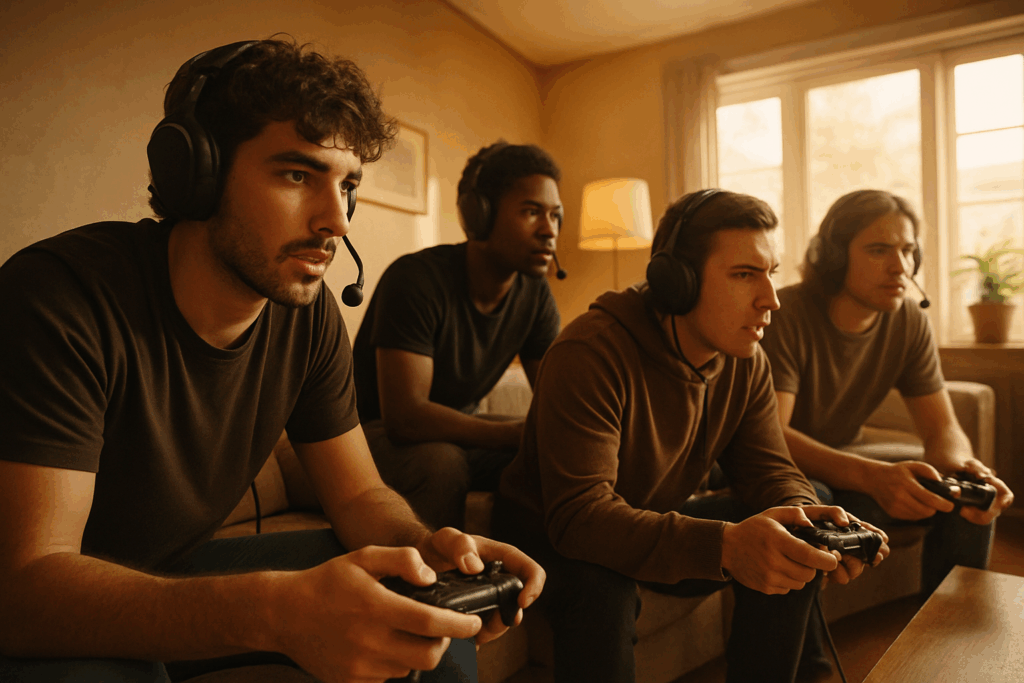
Where Console Esports Begins in 2026
Console based competitive gaming isn’t just catching up it’s setting the pace. Franchises like Call of Duty, Halo, and Street Fighter have long histories in esports, but now they’re becoming the backbone for organized team play in a way that’s hard to ignore. With cross platform support improving and spectator tools catching up to PC standards, consoles are no longer seen as the secondary option they’re defining the front lines.
What makes these titles thrive in team environments is simple: structure. Call of Duty relies on tight squad coordination and map control. Halo rewards smart rotations and synergy. Even fighting games like Street Fighter, often seen as solo efforts, now embrace team based formats in league play. These games aren’t just about individual mechanics they demand split second trust and collaboration.
As for the teams, the field is more diverse than ever. Pro organizations are still the heavy hitters, but indie collectives groups of friends turned serious competitors are making waves too. Then there are college sponsored squads, popping up in campus esports facilities with uniforms, schedules, and built in rivalries. Whether backed by contracts or bootstrapped with passion, these teams are turning consoles into the launchpads of serious careers.
Identifying Talent Early
In 2026, console esports scouting looks a lot like organized chaos but there’s a method underneath. It starts in ranked ladders. That’s where raw skill gets noticed first. Players who grind consistently, climb high, and stack clean stats catch the eyes of scouts especially those tied to pro orgs or college backed teams. But climbing the ladder alone won’t cut it anymore.
Community tournaments are where the spotlight burns a bit hotter. These events, both online and local, mimic real pressure and team dynamics. Here, players show how they handle stress, adapt to different metas, and communicate under fire. Discord has become the heartbeat of these scenes a place where emerging players connect with teams, share gameplay clips, and find scrims. It’s informal, but serious teams are always watching.
Then there’s the analytics side. Tools built for console specific performance tracking are on the rise. They break down reaction times, aim tracking, movement patterns layering in data where instinct used to rule. Teams use these insights to cross check talent, compare consistency, and project growth.
For aspiring players? It’s about being visible and intentional. Keep your ladder rankings high, play in every community cup you can, build a presence in the right Discord servers. Upload clips that show more than just a flashy kill show your comms, clutch decision making, and team play. Visibility is currency. Earn enough of it, and the right people will come calling.
Building a Team Structure That Works
Roles aren’t optional they’re the backbone of a serious console esports team. You need an in game leader (IGL) who makes fast, smart calls under pressure. Support players who hold angles, run utility, and feed the IGL the info they need. Then there are the slayers the ones with cracked aim and the instinct to challenge every fight. And tacticians, the brainy ones, who see three moves ahead and can map out control points like a chessboard.
But it doesn’t work if everyone’s trying to be the hero. Communication matters more than highlight reels. Teams that trust each other, that can call audibles mid match without panic, consistently outperform squads full of solo stars. The grind doesn’t just happen on screen it happens in team comms, VOD reviews, and late night strat sessions.
And then there’s the human element. Success means fitting together different personalities, backgrounds, and playstyles into one unified machine. A good player with a bad attitude is a liability. Teams that last prioritize chemistry off the console as much as they do synergy in the game. Want to win in 2026? Build a squad that listens, adapts, and respects the grind together.
Contracts and Expectations

In 2026, signing with a console esports team means more than knowing how to handle a controller it means agreeing to terms that treat gaming like the job it’s become. Contracts now come standard with structured practice schedules (usually 5 6 days a week), clear streaming responsibilities for brand exposure, and terms that range from 6 months to 2 years depending on the org’s risk tolerance. Players are expected to show up physically or virtually on schedule, stay camera ready, and contribute to a team’s growth off the battlefield too.
As the stakes rise, so does the legal pressure. Player agents and contract lawyers are no longer optional they’re essential. These reps negotiate fair terms, shield players from exploitative clauses, and protect IP rights around content. Many up and coming players are signing with boutique agencies that understand the console ecosystem better than old school talent firms.
Revenue is getting a closer look, as well. Prize pools are bigger, but the trickier part is how it’s split. Some orgs offer a 60/40 split in favor of players, while others include bonuses based on stream numbers or sponsorship reach. The best deals now include transparent prize distribution guidelines, content monetization clauses, and sometimes even equity in team owned media channels. Today’s console pros aren’t just gamers they’re assets with leverage.
Coaching, Management & Support Staff
As console esports matures, the makeup of elite teams is evolving well beyond just strong rosters. Competitive success in 2026 demands more than gameplay it hinges on the professionals working behind the scenes.
The New Standard: A Full Staff Lineup
Top tier console teams today mirror traditional sports franchises, with a growing investment in leadership and infrastructure. Teams are hiring:
Coaches, who focus on strategy, in game decision making, and match preparation.
Analysts, who break down gameplay footage, map data, and opponent tendencies.
Mental performance advisors, who help players manage pressure, build focus, and maintain consistency through high stress competitions.
These roles aren’t luxuries they’re now expected for any squad aiming for the podium.
The Crucial Role of Team Managers
At the center of operations is the team manager. This role is no longer just about booking scrims or handling logistics; managers are now strategic organizers and brand builders. Responsibilities typically include:
Maintaining scrim and tournament schedules
Coordinating with coaches and analysts for player development
Overseeing team content, fan engagement, and sponsorship deliverables
A great manager keeps a team aligned technically, emotionally, and publicly.
Success is a Team Effort Off the Controller
Support staff can make or break a squad. The difference between qualifying for playoffs and falling short often comes down to structure, organization, and the stability that well rounded support brings.
Teams that work with performance coaches tend to show greater resilience in tournaments
Analysts help evolve tactics faster than trial and error alone ever could
Strong management prevents burnout by balancing practice with rest, content creation, and brand obligations
In 2026, success in console esports starts backstage. The more structured and supported the environment, the more likely the players are to perform at their peak.
Rules That Shape the Arena
As console esports continues to expand in 2026, the infrastructure surrounding how teams compete has become far more regulated, structured, and standardized. From hardware constraints to updated tournament layouts, understanding the playing field is just as important as mastering the game.
Console Specific Limitations & Regulations
While consoles offer a more level playing field than PC based esports, they come with their own set of limitations and guidelines that players and organizations must respect:
Standardized Hardware: All players typically use the same console and peripherals for fairness, often provided by event organizers.
Software Lock ins: Competitive game builds are tightly controlled. Updates are scheduled around league seasons and approved well in advance.
Input Restrictions: Many tournaments ban custom or modified controllers to avoid unfair advantages.
Network Rules: LAN support is increasingly required for high stakes matches, eliminating variable ping and online discrepancies.
These constraints ensure balance but also create unique preparation requirements when compared to other esports platforms.
Tournament Structures & League Formats in 2026
Competitive play in console esports has matured into full multi tier ecosystems. From grassroots to franchise level events, structure is everything.
Tiered Entry: Many titles now include amateur brackets, mid tier qualifiers, and pro league systems giving teams a clear path to the top.
Season Based Play: Structured league seasons with fixed schedules are the norm, increasing predictability for both players and sponsors.
Cross Platform Limits: While some games support crossplay, competitive leagues may restrict play to a single console family for integrity.
Franchise & Open Systems: Titles like Call of Duty have adopted franchise based systems, while others maintain traditional open bracket tournaments.
These evolving formats bring both opportunity and challenges for new teams hoping to rise in the ranks.
Learn the Nuances
For a deeper look at how these rules define the ecosystem, check out:
Breaking Down the Rules: What Makes Console Esports Unique
Whether you’re forming a new team or preparing for a league debut, knowing the rules isn’t optional it’s foundational.
From Casual to Competitive
Everyone starts somewhere usually in a bedroom, controller in hand, grinding solo queue on a dusty console. But if you’re serious about making the jump from weekend warrior to pro level player, that comfort zone has to be the first thing to go. This isn’t about just being good. It’s about being visible, being coachable, and showing up like it’s your job because if you’re lucky and smart, it eventually will be.
The climb starts with competition. LAN tournaments still matter. Local events aren’t just test grounds for your skills they’re where you shake hands, swap Discord tags, and get that vital human rapport started. Online ladders are also a proving ground, especially in titles like Call of Duty and Rocket League where ranked performance and reliability speak louder than DMs. Make yourself a known quantity. Show up, perform, don’t flame your teammates.
If there’s one truth in building a winning console squad, it’s this: talent is just the baseline. What takes a team to the top is structure, vision, and an execution mindset. You need systems. You need roles. You need chemistry that’s tested under pressure and people who can deliver, patch after patch, season after season. Casual players play when they feel like it. Competitive teams grind when no one’s watching. That’s the real gap.

 Cheryll Basserton writes the kind of expert commentary content that people actually send to each other. Not because it's flashy or controversial, but because it's the sort of thing where you read it and immediately think of three people who need to see it. Cheryll has a talent for identifying the questions that a lot of people have but haven't quite figured out how to articulate yet — and then answering them properly.
They covers a lot of ground: Expert Commentary, Player Strategy Guides, Game Reviews and Ratings, and plenty of adjacent territory that doesn't always get treated with the same seriousness. The consistency across all of it is a certain kind of respect for the reader. Cheryll doesn't assume people are stupid, and they doesn't assume they know everything either. They writes for someone who is genuinely trying to figure something out — because that's usually who's actually reading. That assumption shapes everything from how they structures an explanation to how much background they includes before getting to the point.
Beyond the practical stuff, there's something in Cheryll's writing that reflects a real investment in the subject — not performed enthusiasm, but the kind of sustained interest that produces insight over time. They has been paying attention to expert commentary long enough that they notices things a more casual observer would miss. That depth shows up in the work in ways that are hard to fake.
Cheryll Basserton writes the kind of expert commentary content that people actually send to each other. Not because it's flashy or controversial, but because it's the sort of thing where you read it and immediately think of three people who need to see it. Cheryll has a talent for identifying the questions that a lot of people have but haven't quite figured out how to articulate yet — and then answering them properly.
They covers a lot of ground: Expert Commentary, Player Strategy Guides, Game Reviews and Ratings, and plenty of adjacent territory that doesn't always get treated with the same seriousness. The consistency across all of it is a certain kind of respect for the reader. Cheryll doesn't assume people are stupid, and they doesn't assume they know everything either. They writes for someone who is genuinely trying to figure something out — because that's usually who's actually reading. That assumption shapes everything from how they structures an explanation to how much background they includes before getting to the point.
Beyond the practical stuff, there's something in Cheryll's writing that reflects a real investment in the subject — not performed enthusiasm, but the kind of sustained interest that produces insight over time. They has been paying attention to expert commentary long enough that they notices things a more casual observer would miss. That depth shows up in the work in ways that are hard to fake.