
No Mouse, No Problem
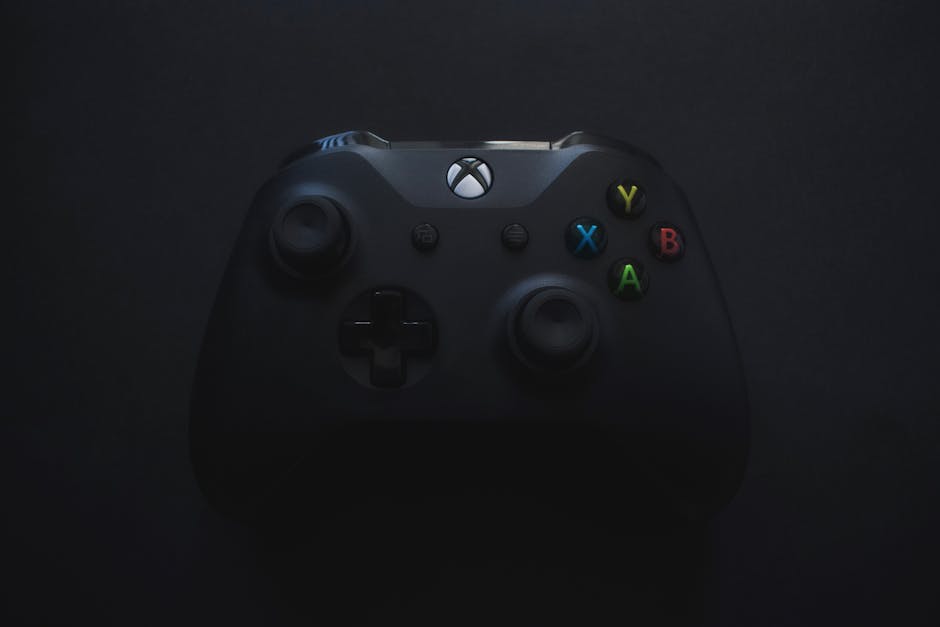
When it comes to console esports, the game starts with the controller. Unlike the speed and precision of a keyboard and mouse, a controller offers analog inputs thumbsticks, triggers, and haptic feedback that translate into more fluid, physical gameplay. It’s less about flick shooting and more about timing, rhythm, and muscle memory.
This changes how players move, aim, and react. Snap turns are slower, so anticipation and positioning matter more. Aim assist? Yeah, it’s there but console games calibrate around it. The best players master the feel of their controller like an instrument. Nothing is accidental.
A lot of console titles aren’t just adapted for this style they’re designed around it. Think of Halo, Call of Duty on consoles, or fighting games like Mortal Kombat. Tight aim mechanics, slower turn speeds, and heavily tuned assists these games are balanced to reward finesse over raw speed.
In short, controller play isn’t a compromise it’s a different sport. One where precision isn’t just about the crosshair, but everything you do to set it up.
Standardized Playing Field
In console esports, everyone lines up with the same gear. No overclocked GPUs. No mechanical keyboard wizardry. No $5,000 rigs built to shave off milliseconds. Just a console, a controller, and raw competitive nerve.
This hard cap on hardware levels the terrain. It’s a purity you don’t get in PC based tournaments, where a tech arms race can tilt the odds. On console, the edge doesn’t come from silicon it comes from skill. Reaction time. Strategy. Mind games.
And that’s the appeal. By keeping everyone on identical specs, the competition gets tighter and tenser. When everyone’s working with the same tools, the better player shines no excuses, no tech crutches. It’s fair, it’s brutal, and it brings out the best in those who can handle the pressure.
Scene Dynamics in 2026
Console esports isn’t just holding its ground it’s building its own empire. The games leading the charge? Titles like “Halo Infinite”, “Gran Turismo 8”, “Street Fighter VI” (console prioritized), and “The Show 26” are defining the meta across major tournaments. These aren’t just playable on console they’re built with console first gameplay in mind. Tight control schemes, balanced matchmaking, and console exclusive features keep the audience locked in and the competition fierce.
Cross platform events are more widespread now, sure. But they’re still a headache under the hood. Competitive parity across PC and console? Still a puzzle. Keyboard vs. controller debates rage on. For organizers, it’s a logistical minefield. For players, adapting to different rulesets and input balancing throws another variable into an already high stakes environment.
Meanwhile, something big is brewing: console exclusive leagues. The PlayStation League Series and Xbox Arena Circuit are putting serious structure behind console competition. These aren’t exhibition matches they’re structured, rewarded, and backed by the platforms themselves. It’s not just players pushing the scene anymore. Now the consoles are suiting up and stepping in as official organizers. The result? A maturing battlefield with clear paths to the top.
Grassroots to Glory

Console esports doesn’t rely solely on massive prize pools or pro level teams to thrive. Its strength comes from a robust grassroots scene that steadily fuels the top tier. The journey from casual competition to championship spotlight remains a defining hallmark of the console path.
Local Tournaments: The Launchpad
Before players make their name on global leaderboards, many cut their teeth in community run events:
Neighborhood and regional events offer a vital training ground
Store sponsored tournaments (think local GameStop brackets or college hosted LAN sessions) build real life rivalries
Exhibition matches and pop up brackets create talent opportunities in unexpected places
These intimate, low budget events prioritize passion, making every win and loss feel personal.
Online Ladders: The Bridge to Recognition
Alongside local events, online ladders and ranked seasons continue to be a proving ground. Through consistent high placement, players gain visibility and climb the competitive ranks without the need for expensive travel.
Official platform based ladders (e.g., PlayStation Tournaments, Xbox Arena)
Third party ranking systems that spotlight rising stars
Social media driven tournaments that gain traction through clips, leaderboards, and shoutouts
Online placement often acts as a resume showing organizers and teams who’s next in line to enter the spotlight.
Unique Path, Distinct Identity
Unlike PC esports, where rising through the ranks often requires access to private scrims, high end equipment, or connections, console esports has historically offered a more accessible road. What defines console’s path to stardom?
Lower financial barriers to entry
Hyper engaged communities rooted in local culture
Recognition based on gameplay, not gear
For those who excel, the road from online name to pro roster is real and it’s paved with hard fought matches, viral clips, and repeat wins.
For a deeper dive into up and coming talent, check out: Rising Stars in the Console Esports Scene
Culture and Community
Console esports isn’t about stadium sized crowds. It’s about diehard fans who’ve been grinding since split screen Halo or trash talking on Black Ops lobbies. These are communities that grew up together, moved from couch co ops to online ladders, and stuck around out of passion not hype.
LAN events still matter. They’re not just tournaments they’re reunions. Tight crews meet face to face. Rivalries get personal. Wins are remembered for years, especially when they happen in person. Online, the competition stays heated watch any console league chat and you’ll see pride is still tied to tag names, legacy wins, and what console you rep.
By 2026, console esports leans more into loyalty than spectacle. The crowds are smaller, sure. But they cheer louder, they stay longer, and they show up for each other. It’s a scene that values roots over flash. And for a lot of players and fans, that’s exactly the point.
Built In Barriers (and Breakthroughs)
Console esports doesn’t leave much room for excess. No tricked out mouse macros, no custom keybind setups spanning seven side buttons. You’ve got your controller, a headset, and maybe a scuffed thumbstick. That’s it. This stripped down setup forces players to do more with less and that’s where strategy sharpens.
Tighter hardware restrictions come with tighter rules. Console competitions often ban most customizations, with organizers enforcing limits on peripherals, modding, and even display settings. The result? A cleaner playing field but also a harder one to gain an edge on.
And yet, this is where the innovation kicks in. Console players stretch the limits of what’s possible within the box they’re handed. Think movement exploits, perfect timing tricks, advanced control remapping (within official bounds). Strategy isn’t about gear it’s about muscle memory, game knowledge, and making split second decisions count. Constraints aren’t a setback; they’re an operating system for creativity.
Why It Still Hits Different
Console esports holds a distinct place in the competitive gaming ecosystem not as a simplified version of PC esports, but as a category with its own identity, rhythm, and culture. What it lacks in custom setups and ultra high frame rates, it makes up for in focused intensity and unmistakable style.
Pure Simplicity, Pure Competition
Console gaming cuts the clutter. Instead of complex hardware setups or endless gear tweaks, players face off on identical equipment with minimal distractions. The result? A purer form of competition that highlights:
Fast reflexes and instinctual gameplay
Precision with analog control
Tactical team coordination forged through repetition and trust
A Unique Identity in Esports
While PC esports continues to dominate with flashier production and broader recognition, console based scenes carve their reputation through grit, loyalty, and consistency.
Distinct metas shaped by controller inputs and game architecture
Smaller but stronger communities that champion their games and creators
Legacy rich franchises like Halo, Call of Duty, and fighting game icons
Not PC Lite It’s Its Own Arena
Console esports isn’t trying to mimic or catch up to PC gaming. Instead, it fuels its own legacy one where grassroots talent rises fast, matchups feel personal, and every button press carries weight.
Standardized hardware, unique pressure
No excuses, no modifiers just the game and the player
A battlefield with its own tempo, tools, and tradition

 Norvella Veythanna has opinions about console gaming news. Informed ones, backed by real experience — but opinions nonetheless, and they doesn't try to disguise them as neutral observation. They thinks a lot of what gets written about Console Gaming News, Esports Updates and Tournaments, Upcoming Game Releases is either too cautious to be useful or too confident to be credible, and they's work tends to sit deliberately in the space between those two failure modes.
Reading Norvella's pieces, you get the sense of someone who has thought about this stuff seriously and arrived at actual conclusions — not just collected a range of perspectives and declined to pick one. That can be uncomfortable when they lands on something you disagree with. It's also why the writing is worth engaging with. Norvella isn't interested in telling people what they want to hear. They is interested in telling them what they actually thinks, with enough reasoning behind it that you can push back if you want to. That kind of intellectual honesty is rarer than it should be.
What Norvella is best at is the moment when a familiar topic reveals something unexpected — when the conventional wisdom turns out to be slightly off, or when a small shift in framing changes everything. They finds those moments consistently, which is why they's work tends to generate real discussion rather than just passive agreement.
Norvella Veythanna has opinions about console gaming news. Informed ones, backed by real experience — but opinions nonetheless, and they doesn't try to disguise them as neutral observation. They thinks a lot of what gets written about Console Gaming News, Esports Updates and Tournaments, Upcoming Game Releases is either too cautious to be useful or too confident to be credible, and they's work tends to sit deliberately in the space between those two failure modes.
Reading Norvella's pieces, you get the sense of someone who has thought about this stuff seriously and arrived at actual conclusions — not just collected a range of perspectives and declined to pick one. That can be uncomfortable when they lands on something you disagree with. It's also why the writing is worth engaging with. Norvella isn't interested in telling people what they want to hear. They is interested in telling them what they actually thinks, with enough reasoning behind it that you can push back if you want to. That kind of intellectual honesty is rarer than it should be.
What Norvella is best at is the moment when a familiar topic reveals something unexpected — when the conventional wisdom turns out to be slightly off, or when a small shift in framing changes everything. They finds those moments consistently, which is why they's work tends to generate real discussion rather than just passive agreement.