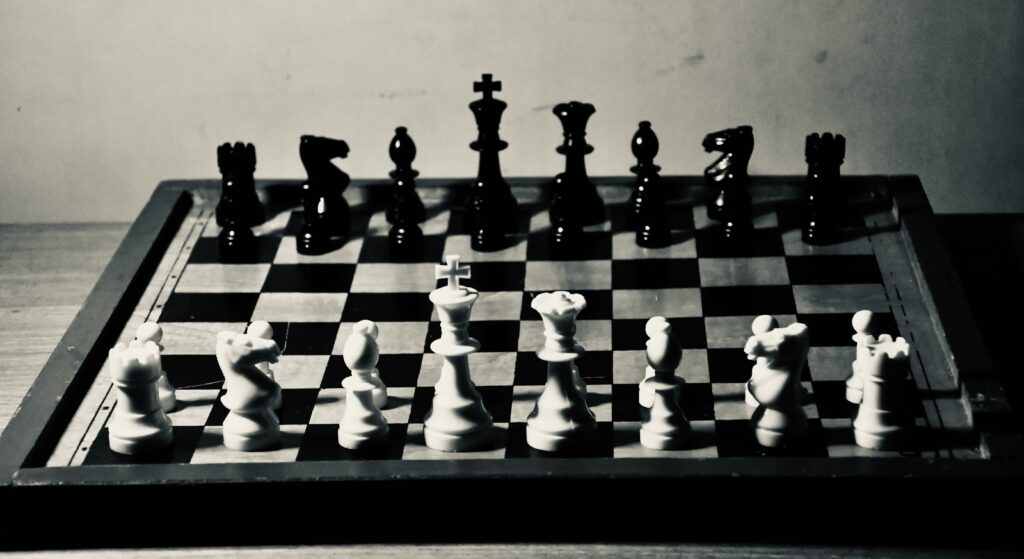

Patience Isn’t Optional It’s a Weapon
Rushing gets you caught. Period. The faster you move, the more noise you make, the less time you have to react. And in stealth games, that usually means a quick death or a blown mission. Patience isn’t just useful it’s survival.
Every patrol has a rhythm. Your job is to sync with it, not fight against it. Wait for the turn. Watch the path. Is the guard checking his six? Good, now move. No need to sprint unless you’re baiting a chase.
Use your ears and your environment. Footsteps, radio chatter, distant doors it’s all intel. Peek around corners, count patrol routes, spot indicators. Some games even leave subtle markers: scuff marks, lights flickering, distant shadows shifting. These aren’t just aesthetics they’re cues. The kind that let you move like a ghost instead of a grunt.
You don’t win stealth by being fast. You win by being invisible.
Study Enemy Patterns Like a Puzzle
Most AI patrol paths aren’t random they loop. That’s your opening. These routines don’t just exist for realism; they’re the breadcrumb trail for players who pay attention. Your job isn’t to guess it’s to know. Watch the guard walk three steps, pause, turn left, then reset. Repeatable loops mean exploitable moments.
A practical tip: count steps. Literally. Watch for idle pauses especially near choke points or lighted sections. Track exactly when an enemy turns, how long they linger, if they scan or blindly pass through. Once you see the pattern, it becomes a dance. You’re not reacting anymore you’re leading.
The smart games don’t let you wing it. Improvisers get burned when AI layering stacks unpredictably. The planners, on the other hand, chart a methodical route through the whole mission. That’s where the clean runs come from study, prep, then act.
Distraction > Confrontation
Here’s the deal: the second you drop a guard, you’ve started a clock. Maybe it’s another patrol checking in. Maybe it’s a dog that smells blood. Bottom line silent takedowns aren’t silent forever.
Instead, lean hard on distractions. Toss a bottle down a hallway. Flick a light switch off in a room across from your target. Open and close a door just long enough to pull focus. These little tricks aren’t filler they’re tools, and they buy you a perfect window to move or bypass trouble.
Evasion should be the goal. Not just to stay hidden, but to stay in control. Every alert costs you time or resources. Combat? That’s the last resort. Even clean fights make noise, leave bodies, and risk alarms.
Bonus move: combine distractions with timing from tip #1 (Patience Isn’t Optional It’s a Weapon). Time your bottle toss just as a guard turns, and you can ghost entire stretches without being seen. That’s the kind of invisibility that wins missions.
Use Shadows, Corners, and Silhouettes
Visibility is everything in a stealth game. If you don’t know how a game sees you, you’re flying blind. Light cones, noise meters, alertness indicators every title has its own logic, and learning it is step one. Some games track how long you’re exposed. Others care about noise levels more than sightlines. Don’t assume the rules; test them in controlled situations early on.
The best stealth games aren’t forgiving. Walk into a lit hallway without thinking, and you’re toast. Misjudge a shadow’s coverage, and it doesn’t matter how quiet you are. That’s intentional. Darkness isn’t decoration it’s design. If a corner looks safe, double check. If a window feels too open, it probably is.
Movement matters too. Crouch near walls to break your outline, and don’t move unless you’ve scanned ahead. Use cameras, x ray gadgets, or just peek angles. Whatever gives you knowledge, take it. Charging through blind gets you nothing but reload screens.
Save Smart, Not Often
In stealth games, your save strategy is just as tactical as your movement. Manual saves should be treated like checkpoints you earned places where you cracked a patrol loop, found a clean path, or nailed a perfect infiltration. Don’t spam them. Save when you actually made progress worth keeping.
Auto saves? They’re disposable. Use them for recon. Trigger one before entering a high risk area, experiment, learn enemy placements, then reload and execute with precision. Think of it as dry running the mission without consequences.
And if you forget to save and lose 15 minutes? So what. Better to backtrack and rebuild momentum than lock in a bad position that spirals into chaos. A smart reload beats a stubborn failure every time.
(Want to level up all around? Check out How to Master Boss Battles Without Raging)
Tactical Wrap Up
Stealth isn’t about winging it; it’s about quiet control. Every movement has intent. The difference between a clean run and a blown cover usually comes down to discipline, not gear. The smartest players don’t scramble for cover or spam quick saves they flow. They’ve scoped the threats, mapped the terrain in their heads, and slid through unnoticed.
You don’t need perfect reflexes. You need rhythm. Press too fast and you break the pattern. Press too slow and you lose the window. Trust your timeline. Commit to your reads. Watch, wait, act. That’s the dance.
And when it’s all dialed in? You’re a ghost. No alerts, no mess, no second attempts. Just clean exits and silence behind you. That’s control. That’s stealth.

 Rutherick Friedmander writes the kind of game reviews and ratings content that people actually send to each other. Not because it's flashy or controversial, but because it's the sort of thing where you read it and immediately think of three people who need to see it. Rutherick has a talent for identifying the questions that a lot of people have but haven't quite figured out how to articulate yet — and then answering them properly.
They covers a lot of ground: Game Reviews and Ratings, Player Strategy Guides, Console Gaming News, and plenty of adjacent territory that doesn't always get treated with the same seriousness. The consistency across all of it is a certain kind of respect for the reader. Rutherick doesn't assume people are stupid, and they doesn't assume they know everything either. They writes for someone who is genuinely trying to figure something out — because that's usually who's actually reading. That assumption shapes everything from how they structures an explanation to how much background they includes before getting to the point.
Beyond the practical stuff, there's something in Rutherick's writing that reflects a real investment in the subject — not performed enthusiasm, but the kind of sustained interest that produces insight over time. They has been paying attention to game reviews and ratings long enough that they notices things a more casual observer would miss. That depth shows up in the work in ways that are hard to fake.
Rutherick Friedmander writes the kind of game reviews and ratings content that people actually send to each other. Not because it's flashy or controversial, but because it's the sort of thing where you read it and immediately think of three people who need to see it. Rutherick has a talent for identifying the questions that a lot of people have but haven't quite figured out how to articulate yet — and then answering them properly.
They covers a lot of ground: Game Reviews and Ratings, Player Strategy Guides, Console Gaming News, and plenty of adjacent territory that doesn't always get treated with the same seriousness. The consistency across all of it is a certain kind of respect for the reader. Rutherick doesn't assume people are stupid, and they doesn't assume they know everything either. They writes for someone who is genuinely trying to figure something out — because that's usually who's actually reading. That assumption shapes everything from how they structures an explanation to how much background they includes before getting to the point.
Beyond the practical stuff, there's something in Rutherick's writing that reflects a real investment in the subject — not performed enthusiasm, but the kind of sustained interest that produces insight over time. They has been paying attention to game reviews and ratings long enough that they notices things a more casual observer would miss. That depth shows up in the work in ways that are hard to fake.