Why Setup Matters in 2026
In competitive play, milliseconds decide matches. Whether it’s landing the first shot in an FPS or connecting a combo in a fighter, your reaction time is only as good as your gear allows. And default settings? They’re built for accessibility, not dominance.
Serious players aren’t using factory presets anymore. Inputs are being fine tuned dead zones shrunk, triggers modded, and controls flipped to match nerve speed reactions. Having the right setup isn’t just a flex, it’s a baseline. Without it, you’re playing with a handicap. Custom setups have become as essential to training as practicing aim drills or studying map rotations.
If performance is the goal, your controller can’t be an afterthought. It has to be part of the strategy.
Core Setup Tips for Elite Play
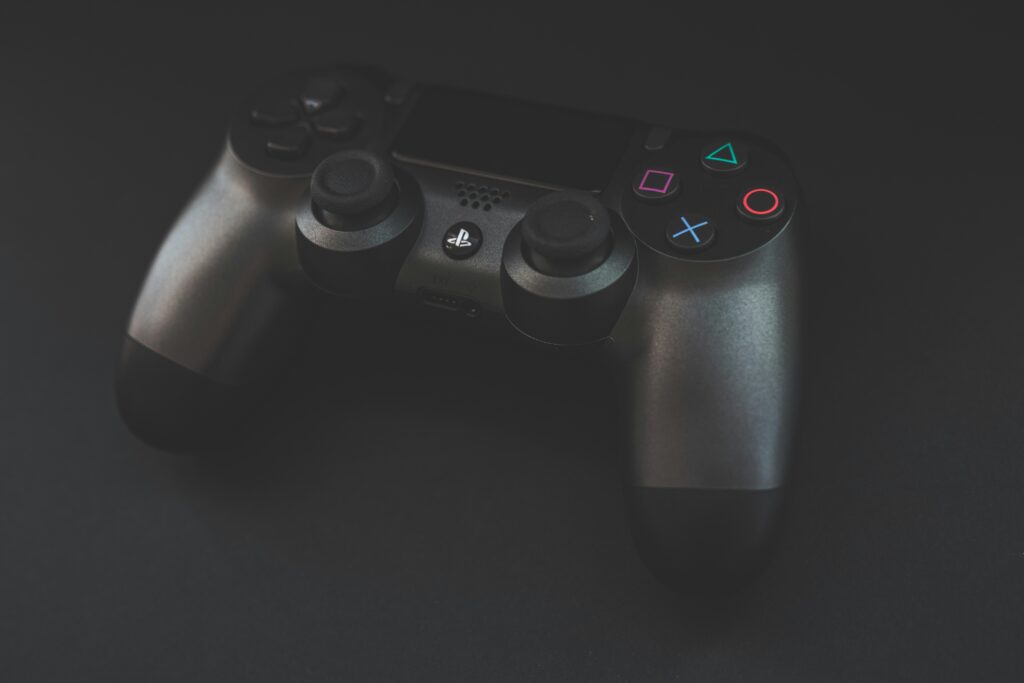
Pro Controller vs. Stock: The stock controller works until it doesn’t. Pro controllers bring better ergonomics, more responsive buttons, and customizable layouts that can be game changing when milliseconds matter. Swappable sticks, textured grips, and programmable paddles aren’t gimmicks. They’re edges.
Wired vs. Wireless: Wireless is convenient, but latency kills. Even a 20ms delay can make a difference in close matches. Wired connections offer a tighter, cleaner response especially critical in high stakes moments. If you’re serious, plug in.
Thumbstick Sensitivity: One setting doesn’t fit all. FPS players benefit from higher vertical sensitivity and gradual acceleration curves for quick but controlled aim. Racers want tight lateral control for steering. Fighting games? Go low and precise too much movement wastes frames.
Trigger Stops & Paddles: Trigger stops limit the trigger’s travel distance, meaning faster shots and quicker combos. Paddles on the back let you jump, slide, or reload without taking your thumbs off the sticks. It keeps motion fluid and actions sharp.
Button Remapping: This is your muscle memory workshop. Assign critical functions to where your fingers naturally rest. If it takes effort to press something, you’re already behind. Learn your game’s demands, build a layout that works for you, and drill it until it’s second nature.
Game Specific Adjustments

First Person Shooters
Milliseconds matter. Start by minimizing input delay go wired if possible and ditch any unnecessary filters or audio pass throughs. Then remap essential movement to the back paddles: jump and crouch should never require thumb movement off your aiming stick. The goal is simple always be aiming.
Fighting Games
D pad over analog, always. Precision input beats range. Map your grab, block, and special setups to shoulder or face buttons you can hit without contorting. If your character relies on charged moves or complex inputs, prioritize layout over default comfort. You want fluid chains, not finger gymnastics.
Racing Titles
Manual shifting? Send gear up/down to your paddles for thumb free handling. Increase steering sensitivity slightly if your thumbstick control is tight test it in time trials until it feels native. If you’re playing sim style, consider a separate handbrake or wheel rig. But even on a standard pad, aggression lives in your mapping.
Stealth Games
Quiet play needs slick inputs. Map crouch walk, silent takedown, and hide/use cover to bumpers or paddles. You shouldn’t be scrolling menus mid tense patrol. The smoother the setup, the more control you keep in high stress moments. Want deeper tactics? See Top 5 Stealth Game Strategies That Actually Work.
Essentials for Competitive Edge
Cookie cutter setups don’t cut it in ranked play. If you’re serious, start with creating control profiles tailored to each game. What works for a twitchy FPS won’t fly in a methodical stealth title. Build profiles that match game tempo, genre mechanics, and your play style. Most consoles and pro controllers let you save and switch these on the fly use that flexibility.
Next: gear up. Performance accessories aren’t gimmicks they’re precision tools. FPS freaks for higher stick range, control grips for sweat proof handling, precision sticks for smoother aim control. The right combo shaves milliseconds off reactions, and that’s the difference between you winning the duel or respawning.
And before you jump into ranked? Lab your settings. Practice mode is your testbed. Dial in sensitivity curves, input remaps, everything under pressure is not when you want to realize your crouch and reload are flipped. Competitive edge starts before the match loads.
Staying Ahead in 2026
The latest generation of consoles isn’t just about sharper graphics it’s also about control. With deeper software customization baked in, players have more flexibility than ever to tailor responsiveness and input mapping. We’re talking granular settings: dead zone tweaking, acceleration curves, even controller behavior per title. If you’re not digging into these menus, you’re leaving performance on the table.
Also: keep your firmware updated. Both controllers and consoles roll out quiet improvements regularly lower latency, improved stability, tighter input recognition. One outdated version can literally slow you down.
Finally, don’t go it alone. Competitive players regularly post their setups on forums and video breakdowns. Study them. There’s no shame in copying the best in the game then building from there. It’s how the meta evolves. Follow, adapt, dominate.
Bottom Line
You can’t claim skill when your gear’s holding you back. Competitive play in 2026 isn’t just about reaction speed it’s about minimizing friction from the first input to the final kill cam. Whether it’s shaving milliseconds with trigger stops or locking in muscle memory through button remaps, your setup is a weapon. And like any weapon, it’s only as effective as the time you spend mastering it.
So, stop relying on default settings or blaming lag for losses. Study your game. Adjust. Iterate. Then do it again. Because once your setup disappears into instinct, all that’s left is execution. That part? That’s on you.