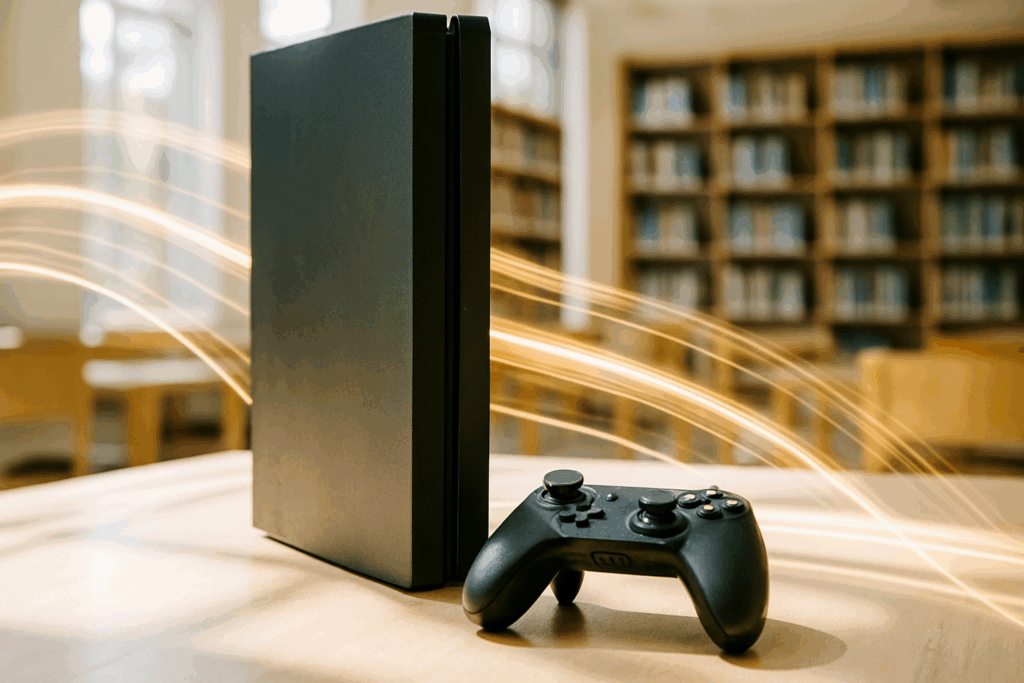

Xbox Series X+ and PS5 Pro: What’s Under the Hood
The Xbox Series X+ and PS5 Pro aren’t full generational leaps but they’re not just cosmetic refreshes either. These mid cycle upgrades bring real horsepower under the hood. Both consoles are shipping with faster CPUs, built on smaller nodes that increase efficiency and clock speed. Translation: smoother multitasking and tighter performance under pressure.
Ray tracing gets a noticeable bump too. Both machines now handle advanced lighting and reflections with less of a hit to frame rate. It’s not just eye candy it’s core to immersion, especially in graphically ambitious titles. Expanded storage also comes standard. Games are only getting larger, and these models make room for it without needing external drives out of the box.
In terms of output, the target is consistent 4K at 60 FPS with dips into 120 FPS on certain titles. Load times practically vanish, and real time rendering looks cleaner and more stable. It’s not a revolution. But it tightens the screws on what current gen should feel like: fast, clean, cinematic.
If you’re someone who’s chasing frame perfect performance, or just tired of juggling installs, this upgrade has muscle where it counts.
Nintendo’s Bold Move with the Switch Successor
The next gen Switch isn’t just a minor upgrade it’s a foundational shift. Packing a custom Nvidia chip built for handheld first gaming, the refresh puts serious power in a compact shell. We’re talking DLSS support, improved thermals, and a GPU capable of handling modern engines without catching fire in portability mode.
Backward compatibility is on board, both digitally and physically. Nintendo’s keeping your old library relevant, and that’s a big win for longtime fans and anyone not interested in starting from scratch. Switch era accessories are looking mostly compatible too, with only a few caveats around higher power needs.
The new dock is more than a stand. It now does native 4K upscaling for supported titles and significantly slashes load times thanks to a higher data throughput via upgraded I/O. Basically, docked mode doesn’t just make it prettier it makes it faster. Nintendo’s finally bridging the gap between pick up and play convenience and the hefty performance we’ve come to expect from stationary setups.
SSDs Are the New Standard
Load screens are shrinking fast sometimes to the point of disappearing. Thanks to high speed SSDs becoming the default in every major console, games now boot up and transition between scenes with barely a flicker. For players, this means faster immersion and less waiting around. It’s not just quality of life; it’s how modern games are designed now. Developers craft levels expecting seamless streaming, not static checkpoints full of spinning wheels.
If you’re thinking about upgrading your internal storage, don’t just chase bigger numbers. Pay attention to read/write speeds and whether your console officially supports the drive. Some models require heatsinks or specific form factors this isn’t plug and play territory for every system. Do your homework before sliding in that extra terabyte.
External SSDs are also a solid option, especially if you want portability or easy file transfers. Xbox and PlayStation both support them, but not all drives are equal. Look for USB 3.2 Gen 2 or better, with read speeds north of 1000MB/s if you want something close to native performance. Otherwise, expect slower loading on games stored externally and limitations with next gen titles.
The bottom line: SSDs aren’t just about storage anymore they’re central to how games are designed, played, and enjoyed. Pick wisely and you’ll feel the difference every time you hit “Start.”
Cooling Systems Get Serious
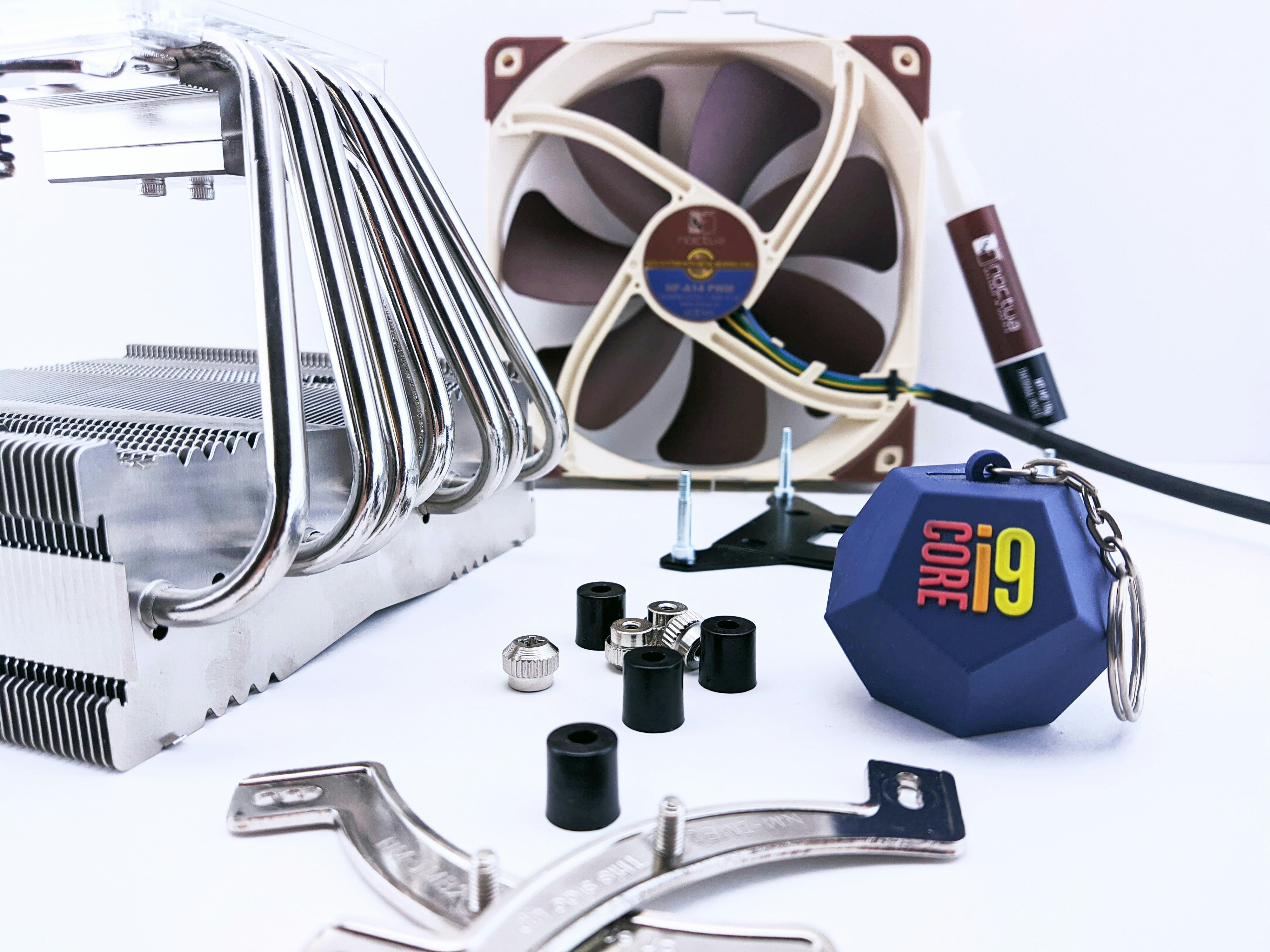
It’s not flashy, but cooling is where consoles are quietly winning or losing the performance battle. As GPUs and CPUs get more ambitious, heat builds up fast and the new wave of thermal engineering is all about staying cool without sounding like a jet engine. Liquid metal is leading the pack. Sony’s latest PS5 models use it for better thermal conductivity, pulling heat away from core components faster and more efficiently than traditional paste.
Fans are also getting their glow up. Variable speed, whisper quiet designs mean your console won’t drown out your gameplay or livestream. Xbox continues to refine its airflow channels and fan blade geometry for maximum heat displacement with minimal noise. Even Nintendo’s upcoming console is rumored to be using a custom passive cooling system optimized for its compact form factor.
The big win? Longevity. Lower heat means your components degrade slower, which translates to a more stable, higher performing machine over the long run. It’s not the kind of thing that gets its own marketing reel, but if you’re gaming 30+ hours a week, cooling is the wall between you and thermal throttling.
When comparing thermal architecture, Sony and Microsoft are neck and neck, trading blows with different approaches liquid metal vs. vapor chambers, surface venting vs. internal cycling. Either way, cooling is no longer just a spec it’s a strategy.
Controller Hardware Is Finally Catching Up
For years, controllers lagged behind consoles simple plastic shells riding shotgun to increasingly powerful machines. That’s changing. Adaptive triggers and precision tuned haptics are now standard on next gen controllers, giving players tactile feedback that actually matters. From weapon recoil that fights your fingers to textures you can feel in a game’s terrain, these upgrades aren’t gimmicks they pull you deeper into the action.
Modular builds are another leap forward. Swappable sticks, remappable buttons, and customizable faceplates mean pro gamers and casual players alike can fine tune their gear without voiding a warranty or cracking open the shell. You want a controller that fits your hands and your game style? That’s finally on the table.
Accessibility is also getting real attention. We’re seeing controllers built with layout flexibility and alternative input options baked in not as afterthoughts but as default features. That means more people can play their way, no workarounds or hacks required.
Then there’s the eternal battery fight. Rechargeables are lasting longer, and USB C fast charging is phasing out those overnight power naps. Fewer swaps, shorter downtime.
In short: the controller’s no longer the bottleneck. It’s catching up, fast.
Power Consumption and Environmental Impact
Newer consoles are doing more with less and that’s by design. Despite boasting higher clock speeds, better GPUs, and advanced cooling systems, mid cycle refreshes like the PS5 Pro and Xbox Series X+ are actually pulling less wattage during gameplay. Thanks to smarter chip architecture (think smaller transistors and refined power distribution), these machines are more efficient per frame than their launch day counterparts.
But it’s not just about power draw. Both Microsoft and Sony have started using more recyclable or recycled materials in their manufacturing process. Plastics, metals, and even packaging are getting eco conscious upgrades. It’s not perfect, but it’s movement in the right direction.
Then there’s power management. Consoles now offer energy modes that strike a better balance between standby convenience and electricity usage. The new default modes reduce drain without throttling performance. In fact, you can game hard without feeling like you’re running a space heater in the background.
If you’re buying hardware in 2024 or beyond, sustainability won’t just be a buzzword it’ll be baked into the specs.
Exclusive Tech Leads to Exclusive Experiences
Across the board, console makers are doubling down on custom silicon. Chips designed in house or in tight collaboration with partners (like AMD or Nvidia) are delivering features that simply don’t translate well to third party platforms. This custom hardware is where things get interesting and frustrating for devs trying to hit parity across Xbox, PlayStation, and Nintendo.
Take the PS5’s ultra fast SSD or the Xbox’s Velocity Architecture: both open doors to radically different load in strategies and world building techniques. Use them to their full potential, and you get experiences that just don’t replicate well on other consoles or PC without major redesigns. For players, that means certain games not just look better on one console they fundamentally play differently. And that’s by design.
It’s also a big reason why we’re seeing more platform defining exclusives again. Hardware leads the way, and the software follows. Studios who lean into the idiosyncrasies of a particular console its haptics, GPU speed, memory layout can develop tighter, more optimized games. That edge often gives first party titles a level of polish and responsiveness that’s hard to match elsewhere.
Want to dig into how this plays out title by title? Explore how hardware ties into exclusives.
Should You Upgrade?
Upgrading your console is no longer a one size fits all decision. It comes down to how and what you play. If you mostly stick to single player indie titles or don’t own a 4K TV, that PS5 Pro or Xbox Series X+ might be powerful but overkill. On the other hand, if you bounce between competitive shooters, massive open worlds, and care about frame rate stability and fast load times, that extra silicon could genuinely change your experience.
Current benchmarks show that AAA games running on mid cycle refreshes squeeze out better ray tracing, faster resolutions at 60fps+, and nearly zero load screens especially noticeable in titles like Cyberpunk 2077, Starfield, or the next gen Forza. But those same consoles don’t always move the needle for games like Hollow Knight or Hades, where art direction trumps photo realism.
And future proofing? It’s a balance. These upgrades could buy you another 3 4 years of top tier performance before hardware starts capping what new games can do. But don’t let FOMO drive the decision. If your current gear holds up and your game library doesn’t max out its potential, you’re fine waiting. Pay for better performance only when you’ll actually use it.