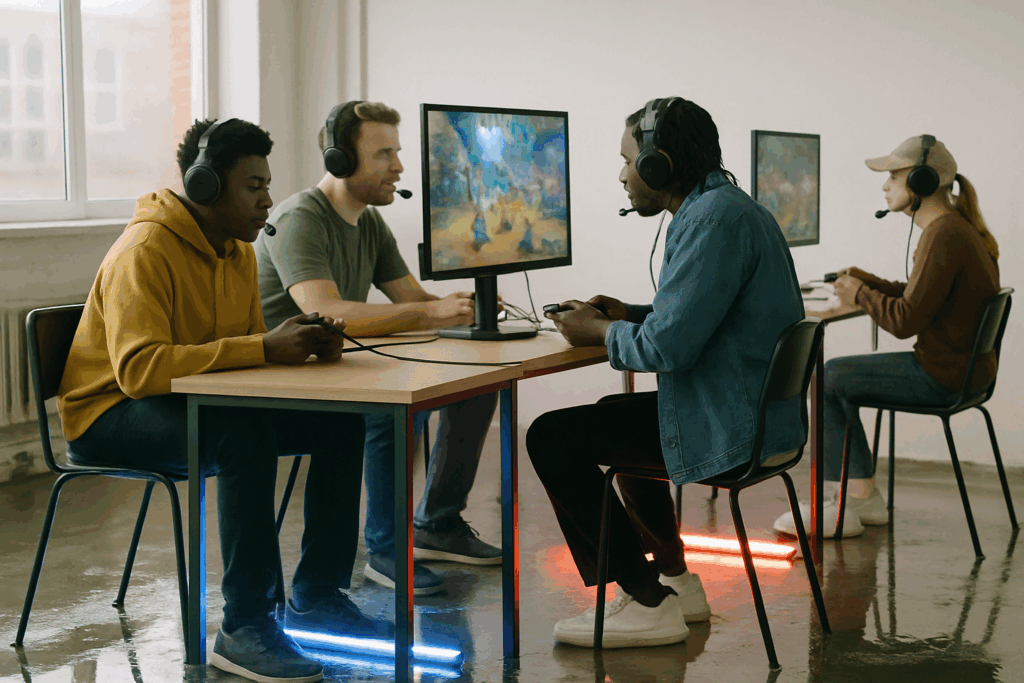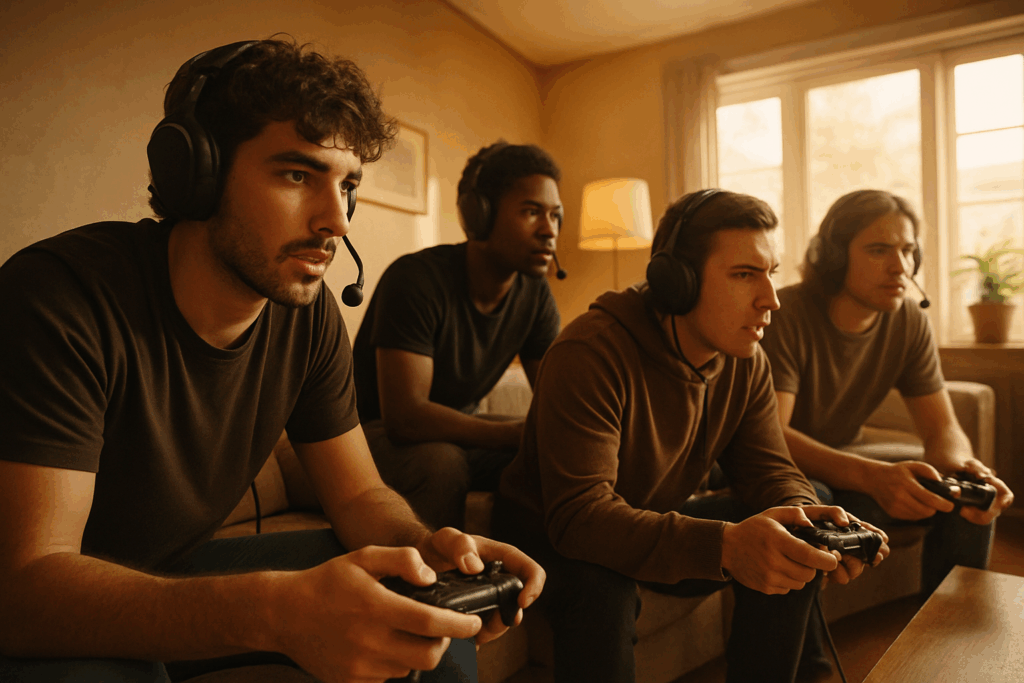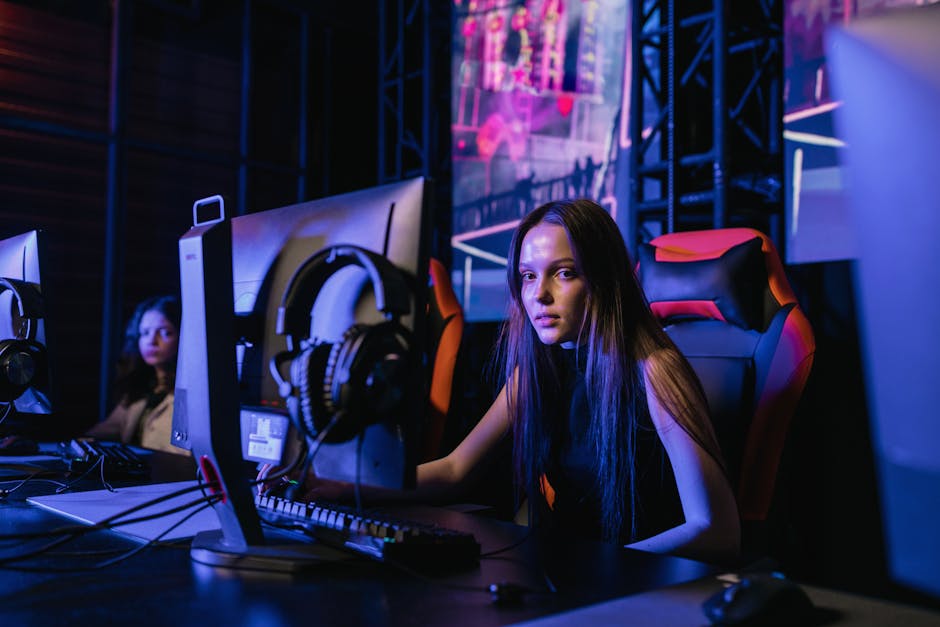
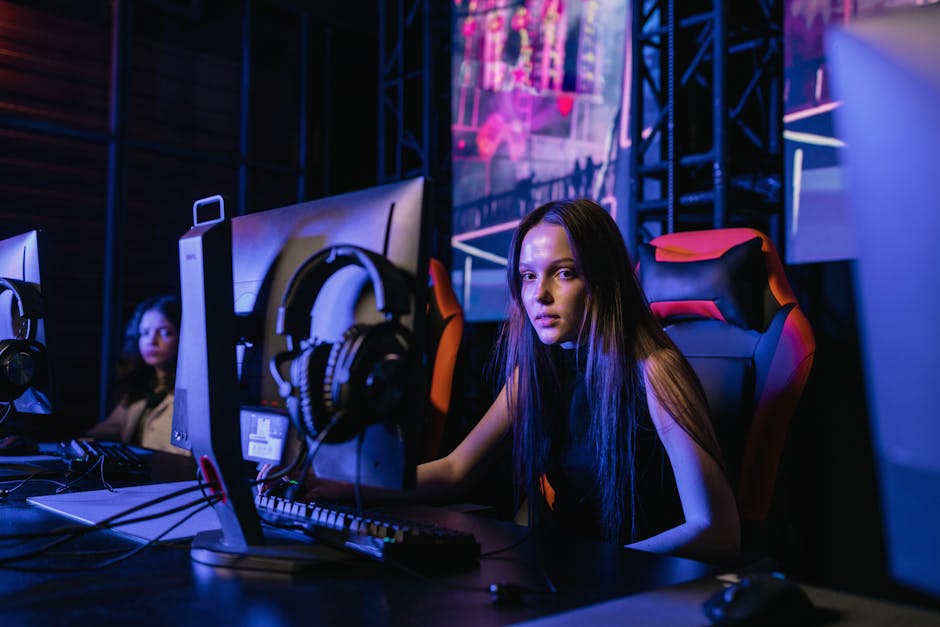
Scouting and Team Formation
The journey to championship level performance in console esports begins long before the first scrim session. It starts with identifying the right players those with natural talent, a strong work ethic, and the ability to perform under pressure. For major esports organizations, scouting is both art and science.
Identifying Raw Talent
Top tier organizations leave no stone unturned when locating future stars:
Online leaderboards and tournament results provide a first glance at standout performers
Streamer platforms and grassroots competitions highlight players with personality and raw skill
Community feedback from coaches, moderators, and fans helps surface underrated potential
Scouts look beyond simple stats. Decision making, situational awareness, and synergy potential all impact a player’s trajectory.
The Role of Scouts and Data Analytics
Modern esports scouting combines traditional observation with cutting edge tools:
VOD reviews and match analysis software assess consistency and game sense
Heatmaps and engagement data reveal player tendencies helpful in roster construction
Performance metrics (e.g., reaction time, clutch rate) inform long term potential
This dual approach helps coaches make accurate decisions grounded in both instinct and numbers.
Synergy Over Individual Brilliance
While raw mechanical skill is vital, high level teams prioritize group cohesion. A roster of solo stars doesn’t guarantee success on the big stage.
Key priorities when forming a competitive console roster:
Communication style and tempo across team members
Complementary roles and hero/loadout synergy
Ability to resolve conflicts under pressure
In console esports, the magic happens when five players move and think as one.
Want to See the Process in Action?
Check out our in depth feature: Player Spotlight: Rising Stars in the Console Esports Scene. This series follows emerging players as they’re scouted, trained, and tested on their path to pro status.
Scouting doesn’t just find talent it shapes the future of championship rosters.
Training Routines That Deliver Results
Behind every top tier console esports team is a brutally consistent training schedule. We’re talking 6 to 8 hours of scrims every day no fluff, just focused console play. These sessions aren’t casual. They’re structured, intensity driven, and meant to simulate match level performance under pressure.
Aim refinement isn’t left to chance either. Teams integrate console specific aim trainers and rapid reaction drills into their routines. The goal: shave milliseconds off response times and tighten muscle memory where it counts. It’s physical, it’s mental, and it’s uniquely tuned for thumbsticks, not mouse clicks.
Strategy work gets its own block. Coaches break down footage daily, dissecting rotations, positioning, and decision making from past scrims. No ego just blunt feedback and adjustments. It’s less about hype and more about execution.
Then comes the mental layer. Teams prep their minds for big stage conditions through simulated match environments: bright lights, crowd noise, communication under stress. It’s not just about getting good it’s about staying sharp when it matters most.
Tactical Evolution & Meta Adaptation
The meta doesn’t stand still, and neither do top tier esports teams. Pro coaches treat every patch note like a playbook rewrite. One nerf, one buff, and a strategy that worked last week might collapse. So these coaches dive deep into the details hitbox changes, cooldown tweaks, subtle animation delays. It’s not just about knowing what changed. It’s about what that change means in game, under pressure.
Playbooks get rebuilt often. Coaches set up scrimmage blocks to test offensive pushes and defensive stands under the new rules of engagement. Are fast flanks still viable? Does zone control dominate again? The answers shift with every update. Teams run scenario drills in custom lobbies simulate sudden overtime, test choke point breaches, rehearse retakes with one player down. Everything is broken down, rehearsed, and locked in.
Successful teams adapt fast. They’re not guessing they’re experimenting, adjusting, and data tracking daily. That’s how they stay ahead of the curve and how they show up ready when the bracket goes live.
Technical Setup and Optimization
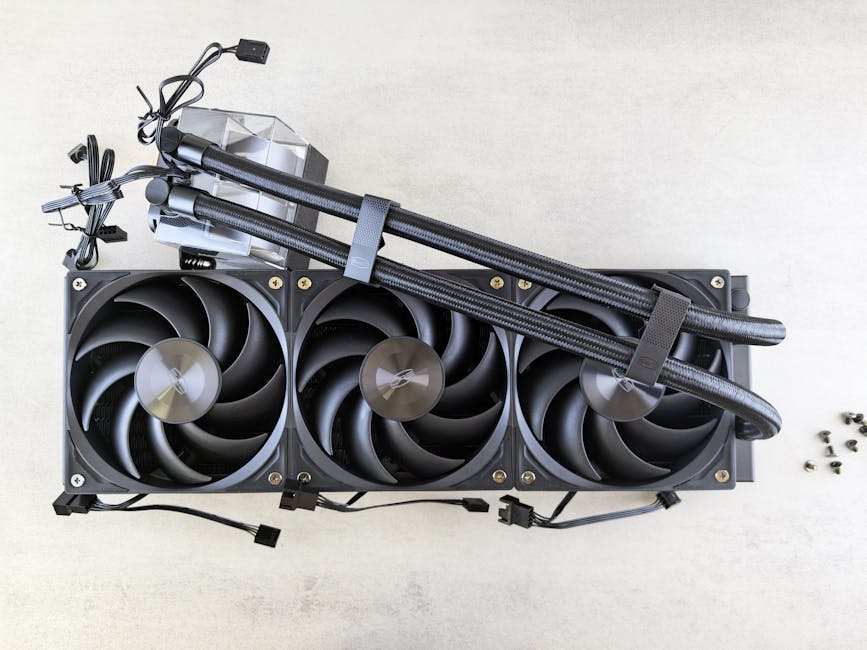
High level console esports is won as much by preparation off the screen as it is by precision on the screen. Behind every smooth match is a finely tuned technical foundation that allows teams to perform without distractions or limitations. Here’s how the best in the game perfect their setups.
Pro Grade Controllers: Build, Calibrate, Maintain
The controller is an extension of the player every team member has preferences and needs that influence performance. Top teams invest in controller optimization:
Customization: Modified thumbsticks, paddles, trigger stops, and weights for maximum comfort and control
Calibration: Adjusting sensitivity and dead zones to match reflexes and game demands
Maintenance Cycles: Regular inspections, part replacements, and backup units ready to go to avoid in game failures
Network Testing: The Lag Free Standard
Latency is the silent killer of esports performance. Teams take proactive steps to eliminate lag and maintain stable connections:
Hardwired Ethernet over Wi Fi to ensure consistent uplink/downlink
Ping tests and packet loss monitoring before every session
Dedicated bandwidth or even backup network setups at bootcamps or team houses
Fine Tuning Console Settings for Peak Play
Optimal tech settings are now part of a team’s competitive edge. While defaults are passable, elite performance demands personalization:
Sensitivity Tweaks to sync with reflex speed and aim style
Field of View (FOV) settings that enhance spatial awareness without sacrificing performance
HUD and UI customization to minimize distractions and deliver critical info in real time
The bottom line: victory is often decided by milliseconds. And those milliseconds are defended by teams who treat tech like a weapon precisely tuned, battle tested, and always one step ahead.
Mental and Physical Conditioning
At the top tier of console esports, raw skill isn’t enough. The pressure of competition, the weight of expectations, and the minute by minute mental focus required to perform all demand more than time behind a controller. That’s why major orgs now bring in in house sports psychologists to work directly with players. These professionals help athletes develop tools for stress management, focus, handling setbacks, and building a champion’s mindset. It’s not about therapy it’s about training the brain as intensely as the hands.
Off the sticks, consistency starts with recovery. Top teams run surprisingly disciplined schedules. Sleep is non negotiable individuals track sleep cycles like it’s another stat. Nutrition plans are tailored. Energy drinks still show up, but they’re balanced out with real meals that support focus and energy through long scrims. Controlled exercise, often light strength work or functional mobility sessions, keeps players physically stable during marathon sessions in the chair.
Then there are the rituals. Not superstition grounding routines. A set playlist. A walk before warm ups. Re reading team goals. These are habits intentionally built to calm nerves and align focus before go time. They don’t look dramatic, but they’re critical. Small, repeatable actions that flip the mental switch from practice mode to competitive edge.
Strategic Scrims and International Matchups
If you want to win local, train local. If you want to win globally, scrim globally. Top esports teams don’t just stack hours they seek out friction. Playing international squads exposes weaknesses faster than any internal scrim can. Why? Different metas, playstyles, comms structures. What surprises your team today can be prepared for tomorrow.
Smart orgs don’t fly blind. Between partnered organizations, there’s often structured data sharing: heatmaps, movement trends, even pick/ban patterns. It’s not espionage it’s chess. Teams use this combined knowledge pool to avoid predictable strategies and sharpen their counterplay.
Behind the scenes, coach to coach conversations are becoming more common. Calls that dissect macro decision making, review footage, and compare approaches to the same problems. These touchpoints aren’t casual. They’re measured, intentional, and focused entirely on tailored preparation for championship stages where every second counts.
Closing Playbook: What Separates Champions
Winning at the console championship level isn’t just about thumb speed or clean movement mechanics. The best teams invest well beyond the screen. They dissect gameplay frame by frame, chart opponents’ habits across dozens of matches, and track their own mental state under stress. They build routines around discipline: film review, mindset coaching, internal accountability. At this level, mechanical skill is just the entry fee.
Strategy matters just as much. Knowing when to play passive, when to push, and how to coordinate under pressure takes time and reps. Top teams run structured schedules with live VOD breakdowns, role specific drills, and intentional recovery. Dorm room chaos isn’t scalable championship winners make time work for them.
And here’s what rarely gets talked about: real prep starts months out. Teams in the top 1% don’t show up in shape two weeks before a bracket. They’ve been building systems, studying competitors, and optimizing gear since the offseason. By the time game day hits, they’re ready not rusty.
This edge the total blend of discipline, deep prep, and tailored strategy is what separates contender from champion. Always has.