Battle Tested Hardware, Still Evolving
Three years after launch, both the PlayStation 5 and Xbox Series X have settled into their prime. Early hardware quirks are mostly ironed out through consistent firmware updates, and newer hardware bundles are smarter, leaner, and better built for how people actually play.
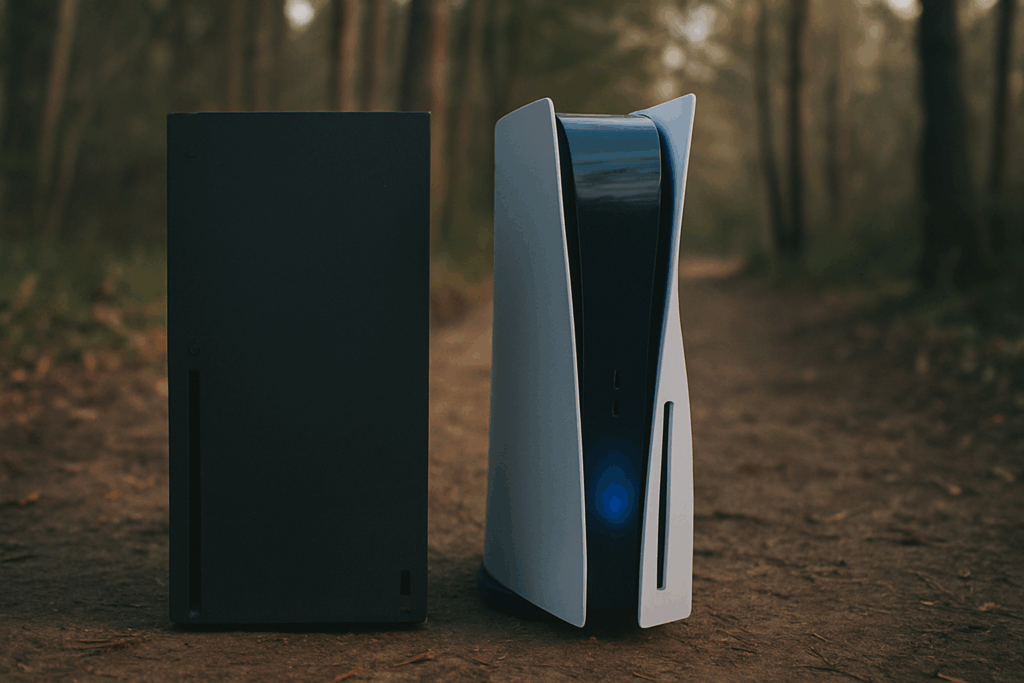
The PS5 Slim and Xbox Series X Digital are the latest entrants in this quiet evolution. Sony trimmed down the footprint of the PS5 without sacrificing performance it’s smaller, runs cooler, and comes with the option for a detachable disc drive. Microsoft’s new Digital Series X mirrors the original’s power, ditching the disc but tightening the box’s efficiency with improved thermals and quieter fans.
In real world use, the performance gap between the two is nearly nonexistent. Load times are neck and neck. Thermals have plateaued at manageable levels for both. Frame rates and resolution remain locked for most modern titles, showing just how far firmware and optimization have come.
These refreshes aren’t revolutions they’re tactical refinements. But for gamers jumping in now, this is the generation at its most stable, and most ready.
Game Libraries: Exclusives Define the Fight
If there’s one front where the console war still feels like a slugfest, it’s in the games. Sony has stayed true to form, bolstering the PS5 with a roster built for story lovers. Blockbusters like “Spider Man 3,” “Ghost of Tsushima: Revenant,” and the surprise cult hit “Ashen Vale” have kept the single player narrative torch burning. Sequels are more polished, loading times are near instant, and cinematic ambition is still the PS5’s calling card.
On the other side, Xbox is playing a longer, broader game. Game Pass continues to be its ace, giving players day one access to AAA and indie titles alike no extra cost, no friction. With studios like Bethesda, Obsidian, and Ninja Theory finally delivering on early promises, the first party catalog is deepening. And while Sony leans prestige, Xbox bets on range and service.
Cross platform titles are thriving, but it’s the exclusive ecosystems that define each console’s identity. Sony’s focused hits versus Xbox’s all you can play buffet it’s less about which box is better, and more about what kind of gamer you are.
Subscription Services Are the Real Battlefield

In 2026, the real console war isn’t fought through graphics or frame rates it’s fought through subscriptions.
Sony’s approach with PlayStation Plus is packed with content, but it’s anything but simple. Three tiers (Essential, Extra, and Premium) offer a range of benefits, but the fragmentation can be confusing, especially for casual players. Some users love the retro game library and game trials; others just want day one releases, which Sony still isn’t fully committing to. The value’s there, but you have to dig for it.
On the other hand, Xbox Game Pass Ultimate continues to feel like the gold standard. Seamless cloud integration, day one launches, and a steady flow of high profile titles from Microsoft’s acquired studios keep it relevant. The offer is simple: more games, less friction. For many, it’s still the easiest yes in gaming.
Cloud gaming is where both brands are quietly laying groundwork. Xbox, with its xCloud backbone, is further ahead usable on phones, tablets, and zero download sessions on console. Sony’s catching up, integrating more cloud based plays into its Premium tier, but it still isn’t as frictionless. 2026 is less about who has the games, and more about who gets them in your hands fastest.
For a deeper look into how these services rank side by side, check Gaming Subscription Services Compared: Who’s Leading in Console Perks.
Controllers, Interfaces, and UX
Sony’s DualSense controller still sets a high bar. Its haptics and adaptive triggers offer a tactile edge that most players feel right away especially in first party titles that tap into its full feature set. The tech isn’t new in 2026, but it’s still rarely matched in terms of nuance and immersion. That said, outside of Sony’s studios, adoption remains spotty. Third party devs often default to generic vibration instead of leveraging the hardware.
On the other side, Xbox has leaned into flexibility. The Elite Series 3 gives players deep customization, from physical layouts to software profiles. More impressively, their accessibility support is unmatched. The Adaptive Controller continues to evolve, and Xbox’s modular design makes hardware genuinely inclusive.
Interface wise, both have cleaned up their dashboards finally. Sony’s OS is snappier, with fewer clunky transitions, while Xbox has refined voice control and made store navigation almost painless. It’s quality of life stuff, but it adds up, especially when you log hours of screen time weekly.
In the end, PlayStation wins on sensory experience. Xbox wins on personal control. UX is finally catching up to expectations and for players, that’s a win either way.
Ecosystem Lock in: Identity, Communities, and Loyalty
Cross save and cross play were supposed to be standard by now. Spoiler: they’re not not entirely. While most big titles support at least cross play, cross save is still fragmented, especially when switching between console and PC. Players are getting tired of porting progress manually or starting over. It’s not a dealbreaker, but it’s friction and in 2026, friction loses customers.
Social integration and mobile tie ins are driving stickiness more than platform loyalty. Xbox’s push with mobile Game Pass and Discord overlays has turned heads, but Sony isn’t far behind. The company’s tighter PlayStation ecosystem has improved Share features, real time party sync, and native mobile apps that actually work. It’s harder to leave a console when your friends, saves, and second screens come with you.
Exclusive content still matters, but exclusivity itself is changing. Gamers are leaning toward inclusive access titles that live across devices and platforms even if that means settling for a slightly less optimized experience. A gorgeous PS5 only RPG looks great in isolation, but shared games create communities. And communities are what people stick with.
In the console wars of 2026, loyalty isn’t earned with shinier graphics or faster boot times. It’s earned by meeting players wherever they are and letting them bring their data, friends, and progress with them.
Final Scorecard: Who’s Winning Now?
In terms of raw numbers, PS5 still leads in units sold globally. Sony’s early advantage in production and brand momentum gave it a head start that hasn’t fully been erased. But Xbox isn’t far behind. Thanks to aggressive ecosystem plays like day one releases on Game Pass and wider PC integration Microsoft has built a sticky user base that’s less about box sales and more about long term engagement.
The communities reflect that split. PlayStation players often lean into cinematic sagas and prestige exclusives, while Xbox loyalists value platform wide freedom cross playing on PC, streaming from the cloud, or picking up and leaving off seamlessly across devices. Brand loyalty hasn’t eroded, but it has evolved. Gamers aren’t just picking the box they’re picking the lifestyle.
Then there’s the legacy: Sony’s innovation in controller tech and breakout exclusives vs. Xbox’s push for accessibility, modularity, and freedom of choice. One is about tighter, curated experiences. The other is about flexibility and a sense of ownership.
So who’s winning? Depends on what kind of player you are. Want polished single player journeys, prestige polish, and a console first experience? PS5. Prefer open ecosystems, subscription value, and cloud augmented access? Xbox.
In 2026, the console war isn’t about better it’s about better for you.