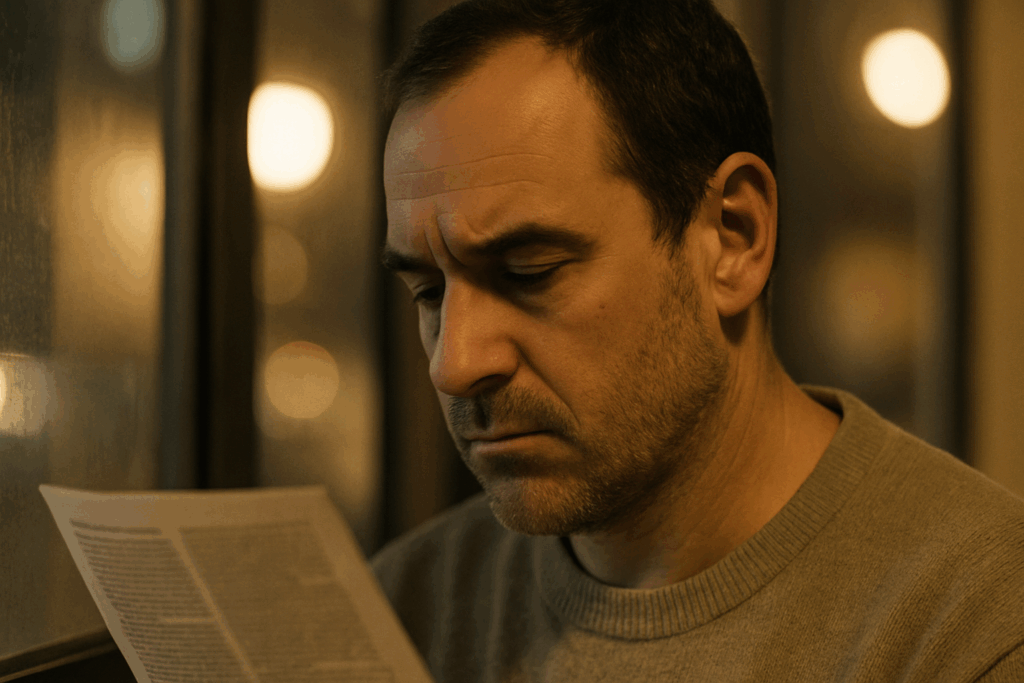

Have you ever found yourself rooting for a character who was supposed to be the story’s antagonist? It happens more often than you might think. The reverse villain indo trend is a fascinating character arc that’s capturing the hearts of audiences, especially in webtoons and novels from Asia.
This article will dive into what makes this trope so appealing. We’ll define the reverse villain indo trope, explain its popularity, and give you key examples. By the end, you’ll have a complete understanding of this storytelling device and know exactly what reverse villain indo stories are all about.
Defining the Reverse Villain: More Than Just a Bad Guy Gone Good
A reverse villain is a character who starts as the protagonist but, through tragic events, moral decay, or a shift in perspective, becomes the antagonist or villain of the story. This is different from a standard villain, who’s evil from the start, and an anti-hero, who’s a protagonist with questionable morals.
If a reformed villain is about redemption, a reverse villain is about a fall from grace. The journey of a reverse villain is the opposite of the popular ‘villainess’ or ‘reformed villain’ trope, where a villain gets a second chance to be good.
Understanding this concept can add depth to your storytelling. It helps you create more complex and relatable characters. Plus, it keeps readers engaged, wondering how and why a once-good character turns bad.
In the context of reverse villain indo, this trope is gaining significant traction in Indonesian and Southeast Asian fan communities for webcomics and webnovels. It’s a fresh take that resonates with audiences, offering a new twist on traditional narratives.
The Psychology Behind Our Love for Fallen Heroes
You know, there’s something about a fallen hero that just grabs us. These stories feel more realistic and complex than simple good-versus-evil narratives. They show the gray areas of human nature.
Take a moment to think about it. Why do we love these characters so much? It’s because they start as heroes.
We see their best qualities, their noble intentions. Then, slowly, they start to crumble. This makes their descent into villainy more tragic and emotionally impactful.
The trope allows writers to explore deep themes like trauma, corruption, and the idea that anyone can break under pressure. You might not agree with their actions, but you can understand their motivations. That relatability is key.
It makes the character’s fall from grace all the more compelling.
Reverse villain indo. Think about it. Instead of a straightforward villain, we get a character who was once on our side.
Their transformation isn’t just a plot twist; it’s a journey that feels real and raw.
This narrative creates high stakes and tension. As the audience, we’re left wondering if the character can ever be saved or if they are truly lost. It keeps us on the edge of our seats, invested in their fate.
In the end, it’s this complexity and emotional depth that draws us in. We see a bit of ourselves in these characters, and that’s what makes their stories so powerful. Tgarchiveconsole
Must-Read Stories Featuring Unforgettable Reverse Villains

Reverse villain stories are some of the most compelling narratives out there. They take a character we initially root for and show us how they become the very thing they once fought against. It’s a powerful way to explore the complexities of human nature.
The Betrayed Knight. This is a classic. A loyal hero who dedicates his life to serving his kingdom, only to be framed by those he trusted.
His initial motivation is clear: protect and serve. But when he’s betrayed, his breaking point comes in the form of a false accusation. He’s left with no choice but to seek revenge, turning him into a formidable and vengeful force.
The Overburdened Mage. Here, we have a gifted magic user driven by the noble goal of saving the world. But as the stakes get higher, they’re forced to make increasingly dark choices.
The breaking point? When they realize that the only way to save the world is to embrace the very darkness they’ve been fighting. It’s a tragic and often heart-wrenching transformation.
The Sacrificial Leader. This one hits close to home. A ruler who loves their people so much that they’re willing to make a deal with an evil entity to save them.
Their initial motivation is pure: protect their subjects at all costs. But the breaking point comes when they start to lose their humanity, becoming more like the evil they bargained with. It’s a story of love, sacrifice, and the ultimate price of power.
These reverse villain indo stories are not just about the fall from grace. They’re about the moral and emotional journeys that lead to that fall. They challenge us to question our own beliefs and the lengths we might go to for what we believe in.
A Quick Guide to Identifying a Reverse Villain
When you’re watching a movie or reading a book, it’s easy to get caught up in the story. But sometimes, the real twist is when the hero turns into a reverse villain. Here’s a simple checklist to help you spot them.
- Clue 1: The story begins with them as the clear protagonist or hero, often beloved and respected.
- Clue 2: They experience a profound, often unjust, personal tragedy or betrayal that shatters their worldview.
- Clue 3: Their motivations shift from selfless goals (saving the world) to selfish ones (revenge, survival at any cost, or enforcing their own twisted justice).
- Clue 4: Their methods become progressively more ruthless and morally ambiguous, mirroring the tactics of the villains they once fought.
- Clue 5: The story’s narrative framing often portrays their fall as a tragedy, not a simple turn to evil, generating sympathy from the reader.
It’s not just about the character turning bad. It’s about the journey and the reasons behind it. This makes the reverse villain more complex and relatable.
You might even find yourself understanding their choices, even if you don’t agree with them.
Why the Fallen Hero is a Story for Our Times
The reverse villain is a hero who becomes an antagonist, a journey that resonates due to its complexity and emotional depth. This transformation challenges our ideas of good and evil, making for a more thought-provoking and engaging story.
You now have the tools to understand, identify, and find stories featuring this compelling character arc. The trope is so powerful because it reminds us that the line between hero and villain can be terrifyingly thin.

 Cheryll Basserton writes the kind of expert commentary content that people actually send to each other. Not because it's flashy or controversial, but because it's the sort of thing where you read it and immediately think of three people who need to see it. Cheryll has a talent for identifying the questions that a lot of people have but haven't quite figured out how to articulate yet — and then answering them properly.
They covers a lot of ground: Expert Commentary, Player Strategy Guides, Game Reviews and Ratings, and plenty of adjacent territory that doesn't always get treated with the same seriousness. The consistency across all of it is a certain kind of respect for the reader. Cheryll doesn't assume people are stupid, and they doesn't assume they know everything either. They writes for someone who is genuinely trying to figure something out — because that's usually who's actually reading. That assumption shapes everything from how they structures an explanation to how much background they includes before getting to the point.
Beyond the practical stuff, there's something in Cheryll's writing that reflects a real investment in the subject — not performed enthusiasm, but the kind of sustained interest that produces insight over time. They has been paying attention to expert commentary long enough that they notices things a more casual observer would miss. That depth shows up in the work in ways that are hard to fake.
Cheryll Basserton writes the kind of expert commentary content that people actually send to each other. Not because it's flashy or controversial, but because it's the sort of thing where you read it and immediately think of three people who need to see it. Cheryll has a talent for identifying the questions that a lot of people have but haven't quite figured out how to articulate yet — and then answering them properly.
They covers a lot of ground: Expert Commentary, Player Strategy Guides, Game Reviews and Ratings, and plenty of adjacent territory that doesn't always get treated with the same seriousness. The consistency across all of it is a certain kind of respect for the reader. Cheryll doesn't assume people are stupid, and they doesn't assume they know everything either. They writes for someone who is genuinely trying to figure something out — because that's usually who's actually reading. That assumption shapes everything from how they structures an explanation to how much background they includes before getting to the point.
Beyond the practical stuff, there's something in Cheryll's writing that reflects a real investment in the subject — not performed enthusiasm, but the kind of sustained interest that produces insight over time. They has been paying attention to expert commentary long enough that they notices things a more casual observer would miss. That depth shows up in the work in ways that are hard to fake.