
I’ve seen too many construction projects fall apart because someone couldn’t find the right T&G material specs when they needed them.
You’re probably juggling spreadsheets, email chains, and paper receipts right now. And when you need to know if you have enough tongue and groove boards for tomorrow’s install? Good luck finding that answer in under 20 minutes.
Here’s the reality: scattered files cost you money. Material gets ordered twice. Wrong specifications get sent to the job site. Projects stall while someone digs through their truck looking for paperwork.
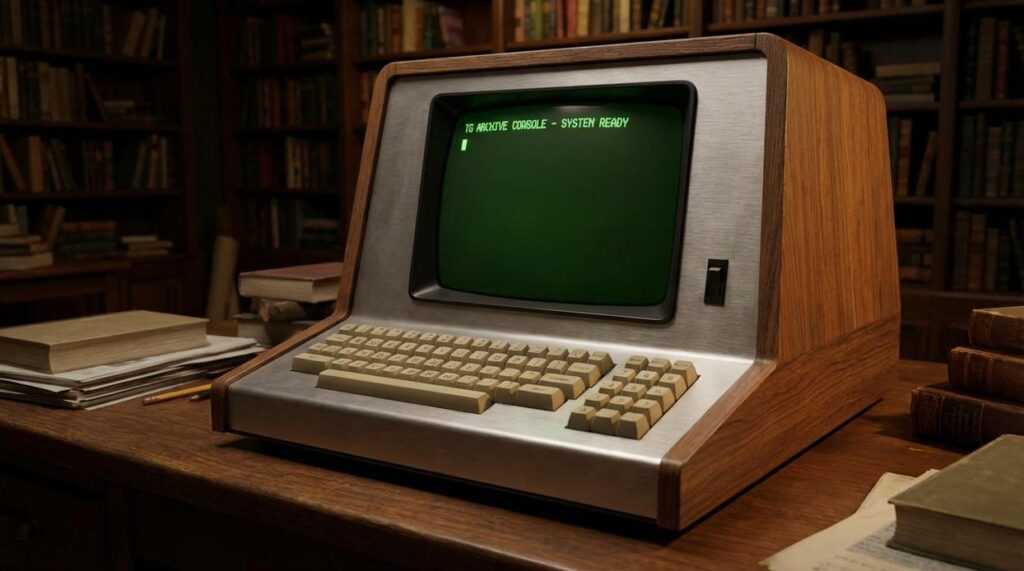
tgarchiveconsole changes that. It puts every piece of T&G data in one place where you can actually find it.
I’m talking about a system that tracks your inventory, stores your specs, and keeps your project data accessible from anywhere. No more guessing if you have the right materials or scrambling to remember which supplier you used last time.
This guide shows you what a digital archive console actually does for T&G material management. You’ll learn which features matter (and which ones are just nice to have), how it saves you time and money, and what to look for when you’re choosing a system.
No technical jargon. Just practical information about getting your material data organized.
What Exactly is a Digital Archive Console for T&G Materials?
Let me clear something up right away.
When most people hear “digital archive console,” they picture a fancy inventory spreadsheet. Maybe something with a few extra columns for tracking stock levels.
That’s not what we’re talking about here.
A digital archive console is a specialized software platform built specifically for tongue and groove materials. It catalogs everything. It tracks the entire lifecycle of your T&G stock from supplier to installation.
Think of it this way. Standard inventory software tells you how many boards you have. A T&G console tells you which wood species, what profile type, which batch number for color matching, and even moisture content readings.
Now, some contractors say they don’t need all that detail. They argue that a simple spreadsheet does the job just fine. For small operations, maybe they’re right.
But here’s what changes when you scale up.
You start juggling multiple projects. Different suppliers. Various wood species and finishes. Suddenly that spreadsheet becomes a nightmare. You’re searching through rows trying to match batch numbers or confirm which supplier delivered that specific profile type three months ago.
A purpose-built Tgarchiveconsole handles this differently. It includes data fields that matter for construction work. Supplier documentation lives in one place. Project assignments connect directly to material specs. Chain of custody tracking happens automatically.
The real difference? You’re not forcing construction data into generic software. You’re using a tool designed for exactly what you do.
Essential Features of a High-Performance T&G Console
Most articles about T&G consoles focus on basic inventory tracking.
They’ll tell you to log your materials and call it a day.
But that’s not how real projects work. Not if you want to avoid the headaches that come six months down the line when a client needs matching flooring for an addition and you have no idea which batch you originally used.
I’ve seen contractors argue that simple spreadsheets are enough. They say fancy systems are overkill for what’s basically just keeping track of wood. And sure, if you’re only doing one or two small jobs a year, maybe they have a point.
Here’s what they’re missing though.
When you’re managing multiple projects with different T&G products, you need more than a list. You need a system that actually works when things get complicated.
Let me walk you through what actually matters.
Detailed Material Database
You need to store more than just product names. I’m talking technical spec sheets, installation guides, warranty docs, and high-resolution photos. When a question comes up three years later, you’ll want all of this in one place.
Granular Inventory and Batch Tracking
This is where most systems fall short. You can’t just track by SKU. You need batch or lot numbers. Why? Because T&G products from different batches can look different even if they’re the same product line. That slight color variation will drive your clients crazy if you mix batches on the same wall.
Project-Centric Organization
Link your material batches to specific projects. This lets you track exactly what you used, calculate your actual waste factors (not just estimates), and maintain a permanent record. When that client calls two years later, you’ll know exactly what went into their home.
The tgarchiveconsole approach means treating each project as its own ecosystem. Materials, timelines, and documentation all connected.
Supplier and Compliance Management
Keep your supplier database current with pricing and lead times. But here’s what nobody talks about: you also need to store compliance documents. FSC and PEFC certifications matter for green building projects. If you’re working on LEED-certified builds, you’ll need to produce this documentation. Having it already attached to your materials saves you from scrambling later. To ensure your projects meet the necessary sustainability standards, it’s crucial to keep your compliance documents readily accessible on your Homepage, allowing for seamless verification of your FSC and PEFC certifications during the bidding process. To ensure your projects meet the rigorous standards of green building, make it a habit to regularly update your supplier database with compliance documents, as this critical information deserves a prominent place on your to streamline access for team members working on LEED-certified builds.
Most systems treat this stuff as an afterthought. That’s a mistake.
The ROI: Tangible Business Benefits of a Digital Archive

Look, I’m not going to tell you that organizing your game collection is some life-changing event.
But here’s what I will say.
When you can actually find what you’re looking for? When you stop buying the same game twice because you forgot you already owned it? That matters.
Some people argue that keeping everything digital is overkill. They say a simple spreadsheet does the job just fine. And sure, if you only own a handful of games, maybe that works.
But here’s where that falls apart.
Your collection grows. You start forgetting which platform you bought something on. You can’t remember if you finished that RPG or just thought about finishing it. (We’ve all been there.)
I’ve been using Thegamearchives Tips and Tricks Tgarchiveconsole methods for a while now, and the difference is real.
Save Time and Skip the Hunt
You know that feeling when you want to replay something but spend 20 minutes figuring out where it is? A proper archive fixes that. You pull up your system and see exactly what you own, where it is, and what condition it’s in.
No more digging through boxes or scrolling endlessly through digital libraries across five different platforms.
Stop Buying Duplicates
I used to buy games I already owned. Not proud of it, but it happened more than once. A digital archive prevents that completely. You check before you buy. Simple as that.
Track Your Backlog Without the Guilt
We all have a backlog. Having a clear view of what you actually need to play helps you make better choices about new purchases. You might realize you don’t need that new release right now when you’ve got three unfinished games sitting there.
Protect Your Investment
Games are expensive. Knowing what you own and its condition matters if you ever want to sell or trade. A digital record gives you that information instantly instead of trying to remember what you paid three years ago.
The bottom line? You’re not wasting money on duplicates. You’re not wasting time searching. You’re making smarter decisions about what to play and what to buy next.
That’s the real return.
How to Select and Implement the Right System for Your Business
Look, I’ve seen too many people jump into a new system without thinking it through.
They get excited about features they’ll never use. Or they pick something that looks good but doesn’t actually fit how they work.
Step 1: Assess Your Specific Needs
You need to start with what you actually do.
A manufacturer runs different operations than a flooring contractor. Your workflow is yours. I map out my current process first and write down where things break down or take too long.
What’s slowing you down? That’s what the software needs to fix.
Step 2: Evaluate Key System Attributes
Here’s what matters when you’re comparing options.
Go cloud-based if you can. Mobile access means you can check things on-site instead of waiting until you’re back at your desk (which never happens when you need it).
Check if it talks to your accounting software. Or your project management tools. You don’t want to enter the same data twice.
And look at the pricing model. Can you scale up without getting hit with surprise costs?
Some people say you should just pick the most popular option because everyone uses it. But tgarchiveconsole taught me that what works for the masses doesn’t always work for your specific setup.
Step 3: Plan for a Smooth Rollout
Don’t go all in on day one.
Run a pilot project first. Pick one small thing and test the system. See if it actually does what you need.
Then figure out how you’ll move your existing data. Spreadsheets are fine until you have to migrate them. Plan that out before you commit. As you prepare for your data migration, remember to explore Thegamearchives Tips and Tricks Tgarchiveconsole to ensure a smooth transition and avoid any potential pitfalls. As you strategize your data migration, integrating insights from Thegamearchives Tips and Tricks Tgarchiveconsole can be invaluable in ensuring a seamless and efficient process.
Train your team properly. I mean really train them. Not just a quick demo. Give them time to learn it or they’ll keep using the old way.
Building a Smarter Future for Material Management
You came here to figure out if a dedicated digital console for T&G materials was worth it.
Now you know it is.
Managing specialized building materials with generic tools doesn’t work anymore. It costs you time and it costs you money.
A T&G digital archive console changes that. You get precision where you need it. You get accountability across your team. You get efficiency that shows up in your bottom line.
I’ve seen too many businesses lose profits because their material management process is stuck in the past. The data is scattered. The team is guessing. The waste adds up.
tgarchiveconsole gives you the control you’ve been missing.
Here’s what you need to do: Take a hard look at your current process. Ask yourself if it’s really working or if you’re just used to the problems. Then make the switch to a digital solution that was built for this exact challenge.
Your team deserves better tools. Your projects deserve better oversight. Your profits deserve protection.
Stop letting poor material management eat away at what you’ve built. The solution exists and it’s ready when you are. Tgarchiveconsole Upgrades.

 Norvella Veythanna has opinions about console gaming news. Informed ones, backed by real experience — but opinions nonetheless, and they doesn't try to disguise them as neutral observation. They thinks a lot of what gets written about Console Gaming News, Esports Updates and Tournaments, Upcoming Game Releases is either too cautious to be useful or too confident to be credible, and they's work tends to sit deliberately in the space between those two failure modes.
Reading Norvella's pieces, you get the sense of someone who has thought about this stuff seriously and arrived at actual conclusions — not just collected a range of perspectives and declined to pick one. That can be uncomfortable when they lands on something you disagree with. It's also why the writing is worth engaging with. Norvella isn't interested in telling people what they want to hear. They is interested in telling them what they actually thinks, with enough reasoning behind it that you can push back if you want to. That kind of intellectual honesty is rarer than it should be.
What Norvella is best at is the moment when a familiar topic reveals something unexpected — when the conventional wisdom turns out to be slightly off, or when a small shift in framing changes everything. They finds those moments consistently, which is why they's work tends to generate real discussion rather than just passive agreement.
Norvella Veythanna has opinions about console gaming news. Informed ones, backed by real experience — but opinions nonetheless, and they doesn't try to disguise them as neutral observation. They thinks a lot of what gets written about Console Gaming News, Esports Updates and Tournaments, Upcoming Game Releases is either too cautious to be useful or too confident to be credible, and they's work tends to sit deliberately in the space between those two failure modes.
Reading Norvella's pieces, you get the sense of someone who has thought about this stuff seriously and arrived at actual conclusions — not just collected a range of perspectives and declined to pick one. That can be uncomfortable when they lands on something you disagree with. It's also why the writing is worth engaging with. Norvella isn't interested in telling people what they want to hear. They is interested in telling them what they actually thinks, with enough reasoning behind it that you can push back if you want to. That kind of intellectual honesty is rarer than it should be.
What Norvella is best at is the moment when a familiar topic reveals something unexpected — when the conventional wisdom turns out to be slightly off, or when a small shift in framing changes everything. They finds those moments consistently, which is why they's work tends to generate real discussion rather than just passive agreement.