Hardware Tweaks You Actually Care About
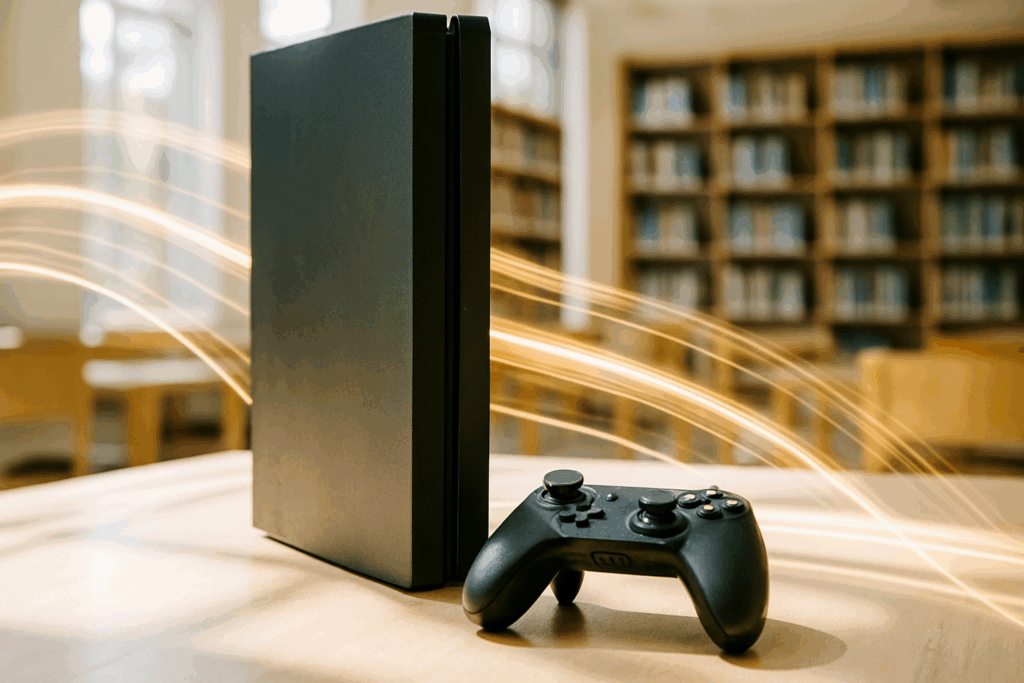
We’re in the thick of mid cycle console updates, and this year’s tweaks aren’t just internal jargon they actually matter. Cooling systems are getting overhauled across both major platforms. Quieter, quicker, smarter. Less fan noise, less thermal throttling. That means more stable gameplay over long sessions and fewer shutdown surprises.
Storage is finally catching up too. SSD expansions are getting both easier and cheaper. Sony and Microsoft are opening up support for more third party drives with broader plug and play compatibility. For gamers juggling massive installs from a dozen live service titles, this isn’t a nice to have it’s survival.
Chipsets are being fine tuned, offering slightly better load times and power efficiency. It’s not a sea change, but for those who notice lag frames or dropped textures, it adds polish. Now to the bigger question: the rumored “Pro” editions. Faster? Yes early leaks suggest frame rate gains and stronger ray tracing performance. But unless your setup includes a 120Hz display, a lot of that extra horsepower may go unnoticed in daily use.
Backward compatibility is another rare win. Updates from both Sony and Microsoft mean improved support for older libraries with better upscaling, auto HDR, and improved frame pacing. You can finally replay your old favorites without digging through storage boxes or adjusting expectations.
The rule is simple: if you game hard and often, these updates help. If you’re still on the fence, this might not be worth a full system upgrade but they’re subtle signals that the next gen is quietly evolving under the hood.
Controller Innovations Worth Noting
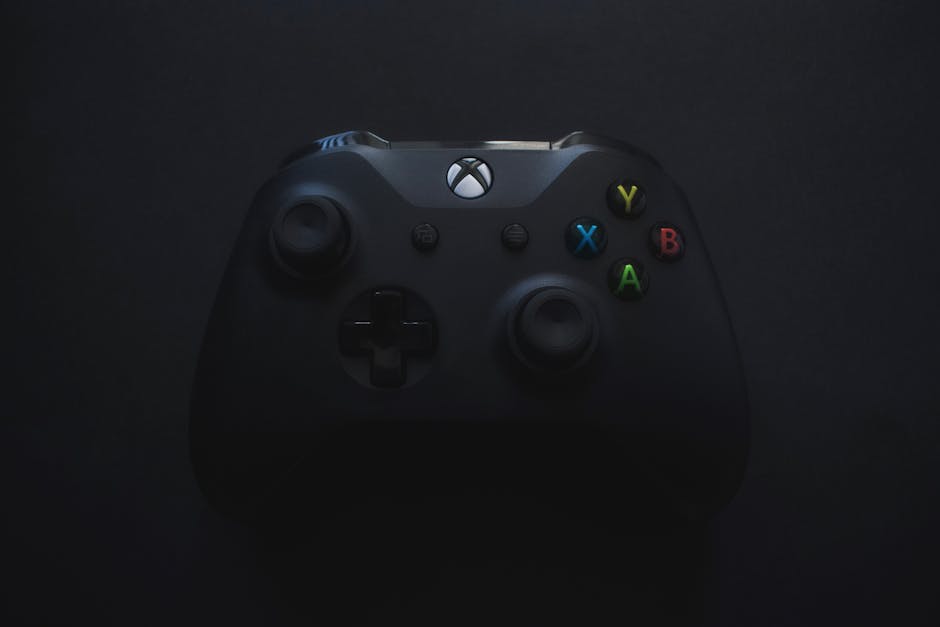
Controllers are finally shedding their old skin. Haptic feedback isn’t just a gimmick anymore it’s becoming a legit gameplay tool. The latest pads from Sony and Microsoft integrate more precise, nuanced vibration responses, giving players detailed tactile cues. You feel tension. Impact. Even terrain shifts. And it’s not subtle magic it’s tech doing real work.
Both Xbox and PlayStation are doubling down on adaptive triggers too. These aren’t your standard R2s and LTs. They push back, tighten up, and change resistance depending on what’s happening on screen. Pulling a bowstring feels different from firing a pistol. It’s about immersion without a headset strapped on.
On a more important note, accessibility is getting serious attention. Think remappable controls, custom profiles, and full support for specialized input devices baked in not tacked on. This means more players can show up and play, without compromise. That’s the kind of innovation the whole industry should be chasing.
Cloud Gaming Just Got Real
Cloud gaming isn’t just a buzzword anymore it’s finally delivering on its promise. Thanks to major performance bumps in server side rendering, latency is dropping, graphics are sharper, and games feel more responsive, even without top tier hardware. You’re no longer tethered to a console to enjoy high fidelity gameplay. That’s a game changer for casual and mobile first players.
Services like Game Pass and PlayStation Plus Premium are pushing hard into cloud first strategies. New releases are launching directly on these platforms with full cloud support, meaning you can hop into blockbuster titles without hogging space on your SSD or waiting on lengthy installs. It’s frictionless playable moments, not downloads, are the currency now.
Still, it’s not all smooth sailing. Developers are wrestling with the offline vs. online aspect. Most are leaning into hybrid approaches: offering cloud play where possible, but with smart caching or limited offline capabilities so players aren’t cut off mid session during a connection blip. Bottom line: cloud infrastructure is finally reliable enough for prime time, but good games still have local legs when needed.
Exclusive Titles Set to Drop

2024 isn’t pulling any punches. Big name franchises are coming back swinging think sequel heavy launches, long teased remakes, and fresh IPs designed to flex next gen hardware. Fans of action, RPGs, and open world chaos have a packed release calendar. For publishers, it’s a double win: nostalgia draws in longtime fans, and cutting edge visuals lure new ones.
But what’s making bigger waves is the shift in studio loyalty. More developers are ditching platform exclusivity. Instead of being locked into one console, they’re going launch wide releasing titles simultaneously across Xbox, PlayStation, and even PC. It’s a signal: creative freedom and broader reach are outweighing old school brand allegiance. This leaves die hard fans less tied to a single box under their TV and more focused on where the games and the value actually are.
Then there’s the wildcard: indie studios. This year, several small teams have signed major deals for first access or timed exclusives. The surprise? These aren’t pixel art darlings they’re ambitious, high budget indie projects making noise at major showcases. It’s a changing of the guard. Creativity is breaking through the gatekeeping, and the lines between AAA and indie keep blurring.
Bottom line: exclusive titles still matter, but the definition of “exclusive” isn’t what it used to be. The power is shifting. And that’s a win for players.
Crossplay and Ecosystems
Cross platform has moved from novelty to necessity. Whether you’re grinding ranked matches or hopping into quick co op with friends, players now expect their consoles, PCs, and even phones to play nice. Titles like Fortnite, Call of Duty, and Apex helped normalize the experience. Now, it’s becoming table stakes. Developers who don’t offer crossplay? They’re already behind.
But it’s not just about playing on different devices it’s about continuing your game wherever you are. Progress syncing is gaining momentum, letting players pick up their sessions across platforms without friction. That seamless handoff console to PC to cloud is no longer futuristic. It’s becoming the bar.
Still, some things are dragging. The dream of a unified gaming profile that follows you across Stadia (what’s left of it), Xbox, PlayStation, and PC? In theory, it’s possible. In reality, it’s a mess of APIs, data silos, and corporate turf wars. A universal gamer ID connected to your achievements, purchases, and preferences? We’re not there yet, but players are watching and waiting.
One thing’s sure: the walls between platforms are wearing thin. And for gamers, that’s a win.
Market Outlook: The Power Battle Continues
After years of shortages and resale chaos, the console supply chain has finally stopped acting like a broken loot box. Shelves are stocked, scalping has dropped off, and both Sony and Microsoft have regained enough footing to focus less on getting consoles made and more on where they’re going next.
Heading into Q4, Sony is holding tight on PS5 pricing, betting on exclusive bundles and premium digital services to boost value. Microsoft, on the other hand, is leaning harder into Game Pass as their ecosystem hook, with limited time console discounts and subscription first incentives. It’s less about hardware flash, more about ecosystem stickiness.
What’s most telling isn’t who’s selling more boxes it’s where players are choosing to invest their hours. Game Pass continues to dominate for variety and affordability, but PlayStation fans are sticking around for the narrative driven exclusives. Add in a rise in Switch PC console crossplay and game clouding, and this generation isn’t about a single system it’s about platforms fighting to keep you logged in.
For a deeper dive into platform rivalry: Next Gen Console Wars: PS5 vs Xbox Series X in 2026
Final Considerations
In a year stacked with upgrades, new releases, and loud promises, it’s easy to get pulled into the hype machine. But not every console tweak or game bundle deserves a day one purchase. Chasing every shiny thing burns through your wallet fast and half the time, what looks like an upgrade ends up being a lateral move.
Instead of jumping ship every time a new feature drops, pay attention to long term value. Think about which platform supports your library, has the better exclusives, improves over time, and actually delivers on performance not just marketing.
That said, the heat’s on. Sony, Microsoft, and even cloud first players like Nvidia and Amazon are investing hard to win gamer loyalty. That means lower prices, better services, and more flexibility across ecosystems. When the platforms fight, players win. Just make sure you know what you’re buying into because once you’re in, you’re in.